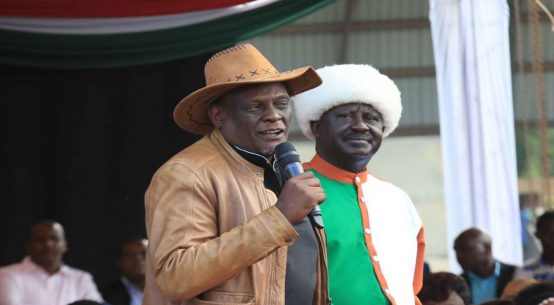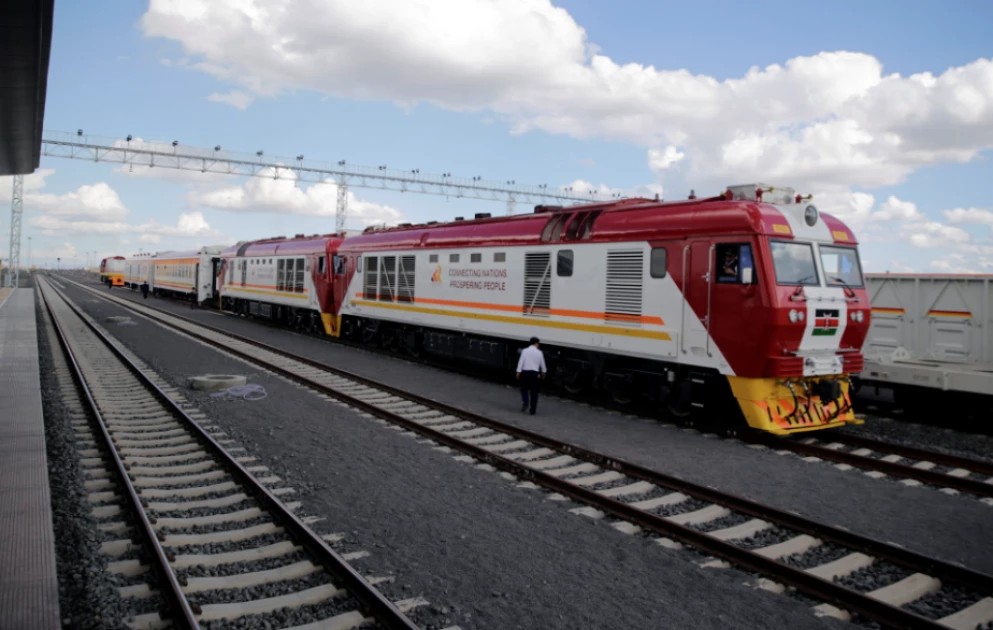
Kisumu Governor Anyang’ Nyong’o has confirmed that construction for the Standard Gauge Railway (SGR) Phase 2B and 2C, extending from Naivasha through Kisumu to Malaba, is scheduled to commence in March.
This announcement followed a consultative meeting that convened local leaders from Kisumu, officials from Kenya Railways, the National Land Commission, and representatives from the national government.
Governor Nyong’o emphasized that the meeting focused on ensuring timely compensation for individuals affected by the project, creating employment opportunities for local youth, and incorporating local enterprises into the implementation process.
He highlighted that this stakeholder engagement seeks to guarantee that the railway expansion yields economic benefits for communities along the corridor while addressing concerns related to land acquisition and livelihoods.
The proposed SGR Phase 2B project will span approximately 264 kilometers, serving as a vital link in the railway network that connects the Lake Region to the broader national and regional transport systems.
The project will involve extensive civil works, including the construction of 79 railway bridges totaling around 43 kilometers, eight tunnels with a combined length of 14.26 kilometers, and 376 culverts covering roughly seven kilometers.
In its initial phase, the project will also establish 26 stations, which will consist of one major station, six intermediate stations, and 18 crossing stations, in addition to one freight port facility.
Moreover, the plan includes an 8.68-kilometer branch line that will connect the main railway to the proposed Kisumu Port.
This branch will incorporate one bridge and eight culverts to facilitate cargo movement between rail and lake transport.
Upon completion, the SGR Phase 2B line is anticipated to significantly enhance both freight and passenger mobility, bolster intermodal connectivity between rail services and transport on Lake Victoria, and stimulate economic growth throughout the Lake Region and its neighboring areas.