

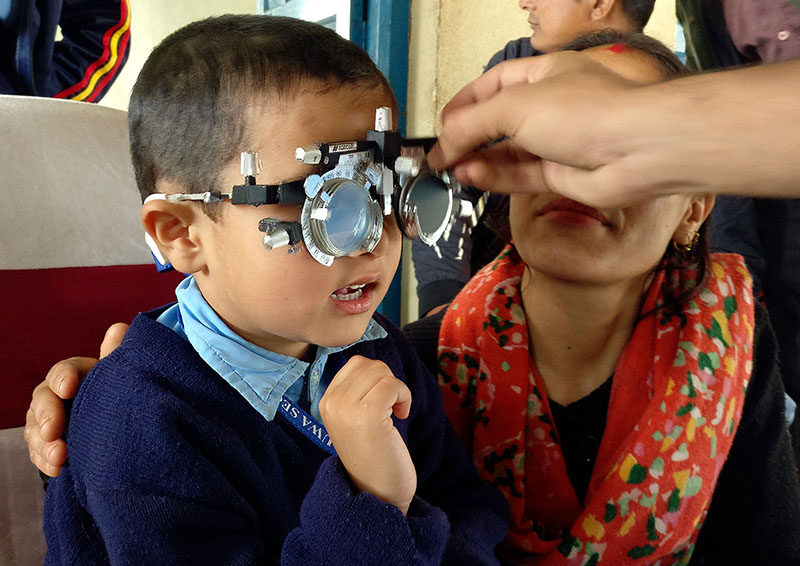
The World Health Organization (WHO) has outlined essential steps that parents and guardians can take to safeguard their children from myopia, a prevalent eye condition.
In a report published on the WHO’s official X account on April 19, 2026, the organization emphasized the risks associated with children spending excessive time indoors. To mitigate this danger, the WHO encourages parents to ensure their children take regular breaks and engage in outdoor activities, which can significantly lower the risk of developing myopia. Additionally, the WHO advocates for routine eye check-ups for children.
“Excessive indoor time and prolonged near-vision tasks lead to an increase in nearsightedness or #myopia among children. By taking regular breaks and encouraging outdoor play, we can reduce this risk. Don’t forget to schedule regular eye exams!” the WHO stated.
The organization also highlighted that eye conditions are alarmingly common, with most individuals experiencing at least one during their lifetime. Globally, approximately 1 billion people suffer from preventable or unaddressed near- or distance-vision impairments. Without timely detection and intervention, vision loss can lead to significant long-term personal and economic consequences.
Vision impairment affects individuals across all age groups, although the majority of those impacted are over 50. Furthermore, young children who experience severe vision impairment early on often face challenges in educational achievement. In adults, vision impairment can diminish quality of life, resulting in reduced productivity, lower workforce participation, and heightened rates of depression.
The effects of vision impairment and blindness resonate worldwide. In low- and middle-income countries, the challenges are even more pronounced due to limited access to essential eye care services.
Cataracts and uncorrected refractive errors are recognized as the leading causes of vision impairment. However, other significant factors must also be addressed. Conditions such as age-related macular degeneration, glaucoma, long-standing systemic diseases like diabetes leading to diabetic retinopathy, infectious eye diseases, and eye trauma also contribute to vision impairment and require urgent attention.


