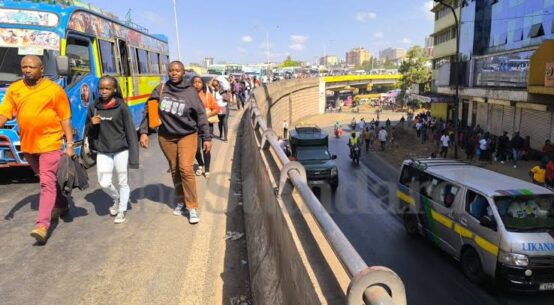


Kenya cab drivers participating in the ‘Unity of Uber, Bolt, and Faras Drivers’ movement began their nationwide strike today. This action aligns with the matatu industry’s strike, both groups advocating for reduced fuel prices.
In a notice shared on their Facebook page on Sunday, May 17, 2026, the drivers announced a halt to all online taxi services across the country. This coordinated boycott aims to urge the government to address the rising petrol costs, which significantly affect transportation and living expenses.
“Official Notice: Online Taxi Drivers Solidarity and Strike Action Monday, 18th May 2026: Nationwide boycott of online taxi operations to support the matatu industry and call for lower fuel prices,” the notice stated.
The strike on May 18, 2026, serves as a show of support for matatu operators, who have reported that increasing fuel prices have raised their operating costs and reduced profits.
Additionally, the drivers plan to escalate their actions with a full nationwide strike and street demonstrations on Tuesday, May 20, 2026.
Online taxi operators express their concerns over unfair pricing models from digital taxi-hailing apps, particularly low fares that do not align with the rising cost of living and operational expenses.
“On Tuesday, May 19, 2026, we will hold a full drivers’ strike and street demonstration to protest against unfair pricing by digital taxi apps and demand adjustments in ride fares to reflect the current economic conditions,” the notice continued.
Their demands include reassessing ride rates based on the economic climate and reducing commissions charged by apps like Uber, Bolt, and Faras. Rising app costs, coupled with escalating fuel prices and maintenance expenses, have left many operators struggling to maintain profitability.
The public transport operators’ strike on May 18, 2026, is expected to cause significant disruptions, particularly in major cities, as they call for urgent government action to address unsustainable transportation conditions.
In Nairobi, observers have noted slower traffic and fewer matatus operating in the CBD and along the Thika Super Highway during the early morning hours before the planned strike. Many regions across the country may face transport disruptions as both matatu operators and online taxi drivers increase pressure on authorities to address their concerns.