

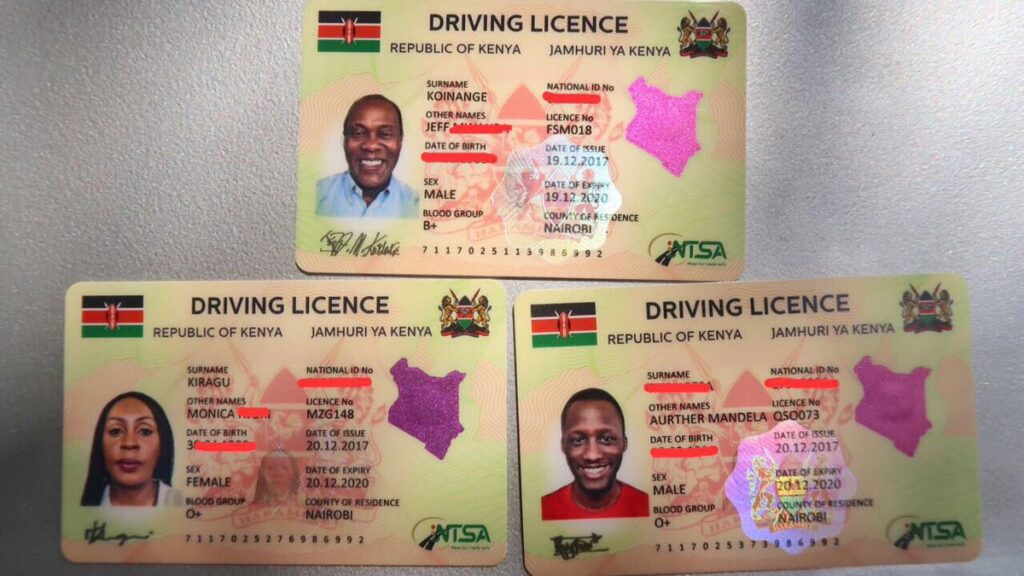
The Cabinet has given the go-ahead for second-generation smart driving licences. They will roll out via a public-private partnership. The goal is to update Kenya’s transport system and boost road safety.
President William Ruto chaired the Cabinet meeting on Monday, 15 December 2025.
These licences add instant fines, mobile wallets, and a points system for good and bad driving. Cabinet says this will sharpen enforcement. It will tighten licence control and lift rule obedience.
Cabinet noted the approval uses fresh funding methods. It brings smart licences with instant fines, mobile wallets, and driver points. All to raise safety and refresh licensing.
The new cards use chips. They hold drivers’ details, offence history, fines, and digital signs. Drivers link them to e-wallets and phone apps. This lets them pay fines and check records online. The design aids enforcement. It ups security and eases renewals.
This step builds on NTSA rules. They now demand retests for drivers flagged by the Intelligent Road Safety Management System. IRSMS watches PSVs and commercial vehicles. It spots traffic breaks.
The system checks speed, braking, routes, and driver habits. It warns on wild overtaking or speeding. NTSA head Angela Wanjira stressed retests cut crashes. This matters most in festive times.
The plan ends long waits for smart licences. It started in 2017. Yet only 2.1 million of five million have gone out. Past deals with National Bank of Kenya hit snags. They left piles of blank, undelivered cards. Access Bank Plc stepped in. It supplied over four million blanks.
Drivers now lean to yearly e-licences. They skip the three-year smart ones. This slows smart card use. The partnership should fix that. It will speed things up and cut problems.
Officials say it taps private know-how. Drivers get steady licence access. The system modernises too.
KSh 5 trillion push
Cabinet also set up the National Infrastructure Fund and Sovereign Wealth Fund. They fit Kenya’s KSh 5 trillion growth plan.
The infrastructure fund pulls local cash. It sells state assets and draws private cash. It targets projects with lasting gains.
The wealth fund takes mineral and oil cash. It grabs dividends from state stakes and privatisation cuts. It builds savings for the future. It picks smart investments.
Both funds back Kenya’s big shifts. Think huge irrigation works, road and rail fixes, power plants, and factory growth.
Cabinet okayed more plans too. They cover national energy, petroleum, an integrated security command centre, livestock chain aid, and a national care policy.


