
As a member of Gen Z, I once approached voter registration much like I approached gym memberships in January: filled with good intentions but lacking follow-through, convinced my absence wouldn’t make a difference. Elections would come and go, politicians would make their usual promises, and I mastered the art of indifference, muttering, “Nothing ever changes,” as if I were quoting an ancient proverb rather than expressing my own apathy.
Then, a transformative movement emerged, spearheaded by Niko Kadi.
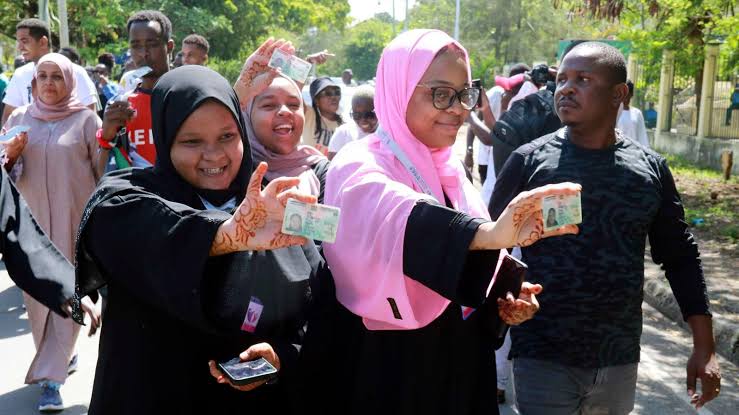
If you have engaged with Kenyan social media lately, you’ve likely encountered it. Niko Kadi serves as the rallying cry for a generation that has boldly chosen to register as voters. This initiative transcends mere statement; it embodies pride and defiance. Young people are posting selfies outside registration centers, showcasing their registration cards as badges of honor, accompanied by captions brimming with enthusiasm. This movement transforms civic duty into a vital aspect of cultural identity.
Initially, I was skeptical. We’ve experienced voter drives before, with politicians frequently urging young people to participate, typically just before elections, often accompanied by empty promises and flashy slogans. What set this movement apart?
Then, something unexpected occurred. My group chats shifted from sharing memes and weekend plans to exchanging information about registration center locations. One Saturday morning, I awoke to 17 messages, all variations of: “Uko Kadi” and “We’re going today, no excuses.” It felt less like peer pressure and more like a collective awakening.
I recall standing in line outside a registration center in Ruiru, feeling the sun’s heat, and pondering how I ended up there.
In front of me stood a young woman, no older than 20, passionately explaining to her friend why she refused to “complain online and then ghost the ballot.” Behind me, a boda rider refreshed Twitter, chuckling and saying, “Watu wako serious this time.” That’s when it struck me: this was not merely a trend; it signaled a profound shift in mindset.
For years, many of us, myself included, donned cynicism like armor. We’ve witnessed corruption scandals unfold like predictable soap operas and seen leaders recycle themselves like plastic bottles. It’s easy to conclude that the system is irreparably broken.
However, here’s the uncomfortable truth I had been avoiding: opting out doesn’t equate to neutrality. It amounts to complicity. By choosing not to vote, I wasn’t rejecting poor leadership; I was silently enabling it.
This realization didn’t stem from a lecture or a political advertisement. It arose from observing younger individuals taking ownership in ways I hadn’t. They have grown up in the digital age, understanding the power of visibility and recognizing that trends can shape narratives, which in turn shape reality.
Of course, not everyone shares this conviction.
“I understand the hype, but honestly, I don’t think my one vote will change anything,” expressed Galvin Ogutu, a 22-year-old university student I interviewed. “It feels like the system is already decided before we even show up.”
I empathize with this perspective; I’ve held it myself. There’s a certain comfort in believing one’s actions lack impact. It liberates one from responsibility but also ensnares them in a cycle of helplessness.
Conversely, I met Pendo Makena, 19, in that same registration line. She articulated a different viewpoint: “Our parents voted and still faced disappointment, but at least they tried. We can’t inherit a broken system and then refuse to engage with it.”
This tension between skepticism and hope is precisely where this movement thrives. It embodies not blind optimism, but informed participation.
What’s particularly compelling about Niko Kadi is its fusion of activism with identity. Registering to vote has evolved from a mere bureaucratic task into a powerful declaration of one’s values. In a nation where youth constitute a significant demographic, this holds immense significance. Numbers, visibility, and momentum matter.
Let’s acknowledge the role of social media in this transformation. Platforms that once spotlighted dance challenges and viral memes are now amplifying civic engagement. The very algorithms that promote trends are, whether intentionally or not, fostering democratic participation.
Yet, trends can be fleeting. Today it’s Niko Kadi; tomorrow it could be something entirely different. The critical question remains: will this momentum persist beyond the registration phase? Will it evolve into informed voting, accountability for leaders, and sustained engagement beyond election cycles?
I don’t possess all the answers. However, I do know this: standing in that line, ID in hand, I experienced a sense of ownership I hadn’t felt before—not over the system itself, but over my role within it. Perhaps that’s where genuine change begins—not in grand speeches or viral hashtags, but in small, uncomfortable decisions to participate when it would be easier to remain passive.
So yes, I once believed my vote didn’t matter. Now, I recognize that this was merely a convenient excuse. If enough of us choose to embody the spirit of Kadi, perhaps the system will have no choice but to acknowledge our presence.