

Trans Nzoia is excited to introduce a new policy that aims for sustainable transformation in agriculture, tackling persistent challenges that affect production across the county.
Currently, the draft Agroecology Policy is under discussion, preparing for public participation before being presented to the county assembly for approval.
The Department of Agriculture, Irrigation, Livestock, and Fisheries recently hosted a session to inform the executive committee about the proposed policy, set for implementation in the next three months.
This forum gathered county executives, technical experts, development partners, and agriculture stakeholders to review the policy’s progress and discuss key proposals.
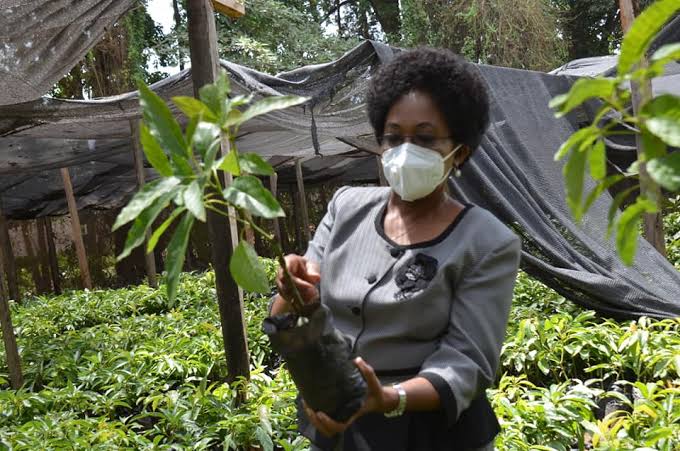
Agriculture executive Phanice Nalika Khatundi emphasized that this transformative framework promotes environmentally sustainable, socially inclusive, and economically viable agricultural development.
“We aim to collaborate with nature for sustainable, viable, and inclusive food production,” Khatundi shared.
The policy blends indigenous knowledge, scientific innovation, and local farming practices to boost productivity while safeguarding the environment and enhancing livelihoods.
Upon implementation, the policy will tackle longstanding challenges in agricultural production and environmental sustainability.
It outlines strategies for improving soil health, restoring ecosystems, enhancing climate resilience, conserving biodiversity, and addressing food security and nutrition.
Khatundi noted that the sensitization forum allows county executives to review the document and contribute further insights before advancing to the next stages.
“The team will enhance the document with their input,” she stated.
This new policy targets critical issues like soil health degradation, declining agrobiodiversity, poor climate resilience, and gaps in nutrition and food security, while also promoting gender inclusion and improving market access.
County director of agriculture Simion Mwombe highlighted that key interventions will restore environmental sustainability and boost agricultural productivity.
These interventions include integrated soil fertility management, organic restoration, crop diversification, agroforestry, ecological pest management, and improved water conservation practices.
“We’re focused on restoring landscapes, enhancing water efficiency, and strengthening ecosystem resilience,” Mwombe concluded.


