

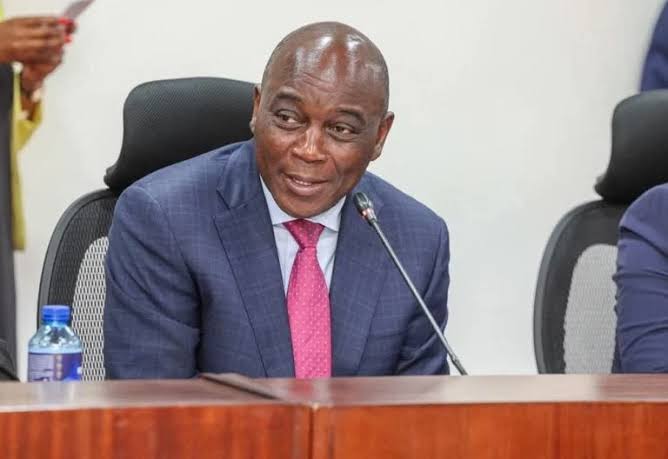
Suba South MP Caroli Omondi expressed optimism for the opposition ahead of the 2027 general election, predicting that Azimio la Umoja could gather around 16 million votes.
In an interview on April 2, 2026, Omondi pointed to the coalition’s potential to mirror the success of the 2002 Rainbow Coalition, which ended President Daniel arap Moi’s long reign.
“Retired President Uhuru Muigai Kenyatta chairs the Azimio Council,” Omondi stated, adding that Kalonzo Musyoka leads the party.
He emphasized the strong personal and political connections among key figures, particularly the bond between Kenyatta and former Deputy President Rigathi Gachagua of the Democracy for Citizens (DCP) party.
Omondi noted that Gachagua served as Kenyatta’s personal assistant for nearly two decades and played a crucial role in the formation of ODM.
“I am confident they will find common ground over time, and it will be significant,” he remarked.
Recent signs of reconciliation emerged on April 1, 2026, during the burial of former Kirinyaga Senator Daniel Karaba in Kirinyaga County.
Kenyatta and Gachagua shared light moments alongside opposition figures like Martha Karua, marking their first public appearance together since their fallout before the 2022 elections.
At the same event, Gachagua firmly addressed President William Ruto and his allies: “You cannot come between me and my brother Uhuru Kenyatta; you are not one of us.” He emphasized that their two-decade bond outweighed a three-year political dispute, describing the complexities of issues in Mt. Kenya as best understood by “mountaineers” themselves.
The warming relations extend beyond the two leaders. Kenyatta’s allies have softened their stance toward Gachagua. In March 2026, Jubilee Party deputy leader Jeremiah Kioni visited Gachagua, calling him the “undisputed king of the mountain.”
Former Gatanga MP David Murathe also expressed confidence in Gachagua’s ability to challenge Ruto in 2027. Kenyatta has reportedly advised party members against attacking Gachagua, warning of potential expulsion.
Political analyst Peter Kagwanja characterized the relationship in traditional Kikuyu terms: Uhuru as the Muthamaki (king) and Gachagua as the Mutongoria (manager of daily affairs under the king’s guidance).
Omondi encouraged patience and private resolution, suggesting that broader opposition elements could unite, reminiscent of the 2002 coalition that brought together diverse forces.