

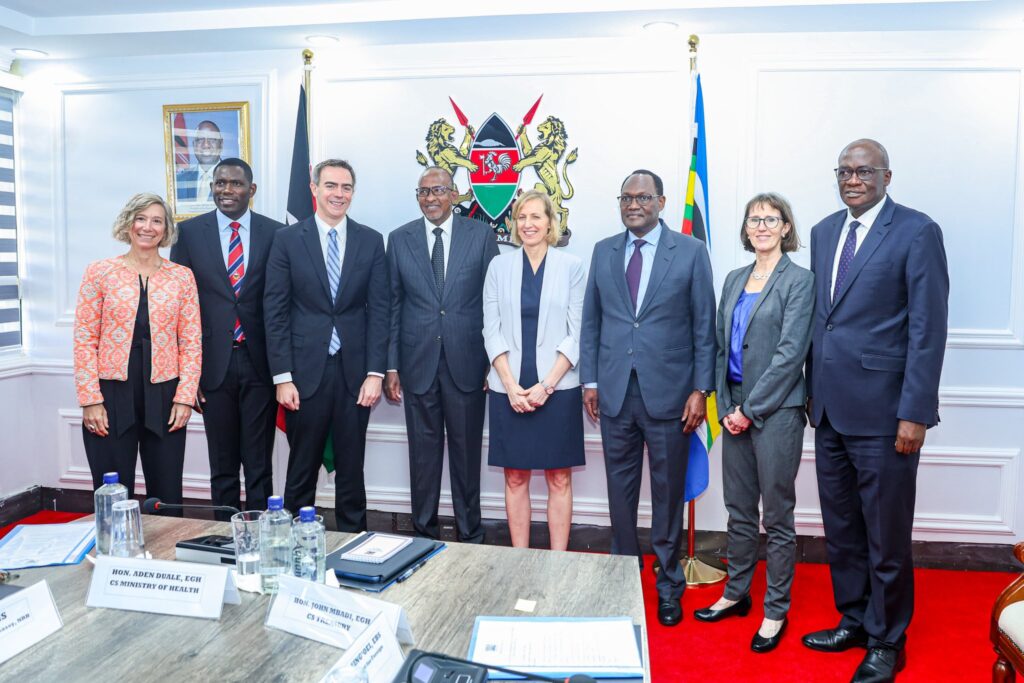
The United States has reaffirmed its commitment to supporting Kenya’s healthcare sector through increased investments in disease surveillance, HIV treatment, malaria control, and emergency response systems.
Speaking during the inaugural Kenya Health Security Convention held in Mombasa on Tuesday, Dr Naomi Lucchi, the Acting Program Director for the CDC Kenya Division of Global Health Protection, said the US remains a strong partner in helping Kenya build resilient health systems and improve preparedness against disease outbreaks.
Dr Lucchi announced that the US government will invest approximately $290 million (about Sh33.9 billion) in Kenya’s health programmes this year. She said the funding reflects the long-standing relationship between the two countries in promoting public health and responding to emerging health threats.
“The United States is here as an ally and partner to Kenya, especially in the health sector, just as we have been for decades,” Lucchi said during the convention.
Her remarks come amid concerns in some quarters about possible reductions in global aid funding. However, Lucchi insisted that the US remains committed to supporting Kenya’s healthcare programmes and strengthening collaboration with the Kenyan government.
“The United States has not abandoned health programmes in Kenya, and we’re working to do more,” she said.
According to Lucchi, the current US-Kenya Health Cooperation Framework is valued at approximately $1.6 billion (around Sh206.5 billion). The programme supports several key health initiatives, including HIV and tuberculosis treatment, malaria prevention, influenza monitoring, maternal and child healthcare, and disease outbreak surveillance systems.
She noted that the partnership has produced major gains in Kenya’s public health sector over the years. Through joint interventions, around 1.3 million Kenyans living with HIV are currently receiving life-saving treatment. In addition, more than 150,000 children have been born HIV-free due to improved prevention programmes.
Lucchi also highlighted progress made in the fight against malaria, revealing that malaria prevalence in Kenya dropped by 50 per cent between 2010 and 2020 as a result of collaborative efforts between Kenya and the United States.
“No other country has devoted so much of its own resources to saving Kenyan lives and helping build a durable, effective and resilient health system here,” she said.
The Kenya Health Security Convention brought together health experts, scientists, government officials, and development partners to discuss ways of improving preparedness and response to future disease outbreaks and other health emergencies.