

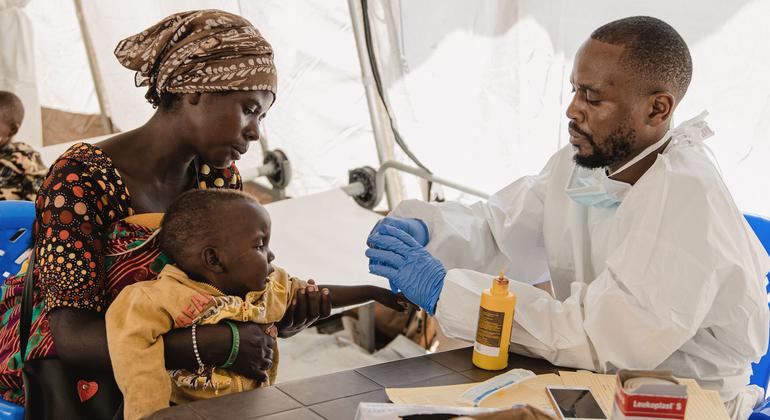
A 36-year-old man has died, and 36 others received treatment at a hospital after consuming meat suspected to contain anthrax in Mathangwe village, Igoji, Meru County. This marks the second death in the area, raising concerns about a potential anthrax outbreak.
In response to the alarming situation, officials have mobilized additional veterinarians to the region to immunize livestock. Earlier, on April 16, another man died in the nearby Maua area, where 222 individuals were treated and subsequently discharged from hospitals.
The latest incident occurred on April 19 in Gikui village, where residents who had eaten meat from a cow reported symptoms such as dizziness, headaches, and stomach pains. Medical staff at Kanyakine Sub County Hospital treated 23 adults and 12 juveniles, discharging most, while one patient remained hospitalized in serious condition and isolation.
Amos Gikunda, 36, succumbed at the facility after consuming the meat between April 15 and 16. Those affected began seeking medical attention on April 18, prompting local authorities to issue an urgent alert over the weekend, encouraging residents to get help.
Officials advised against consuming uninspected meat, as the deceased cow is believed to have died from anthrax. Local butcheries have been warned to refrain from slaughtering and selling meat without veterinary inspection.
Moreover, additional personnel have been deployed to the villages to educate the community about the disease. Residents received guidance to bury any carcasses of animals that die from illness and were informed about the ongoing anthrax outbreak. However, reports indicate that some locals are not following these crucial recommendations, contributing to the spread of infections.
Anthrax, caused by the bacterium Bacillus anthracis, naturally occurs in soil worldwide and primarily affects livestock and wild animals. Humans can become ill through contact with anthrax spores in infected animals or contaminated animal products. Infection can occur through skin contact, inhalation, or ingestion.
The cutaneous form of the disease manifests as a small blister that develops into a painless ulcer with a black center, while the intestinal form can cause severe symptoms such as bloody diarrhea, abdominal pain, nausea, and vomiting. To prevent future outbreaks, immunizing animals against anthrax is essential, especially in regions with a history of infections.


