

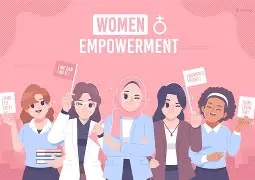
The conversation on gender equality in Kenya continues to evolve as leaders and advocates emphasise that empowering women does not mean sidelining men but rather building a fairer society for everyone.
Discussions around women’s rights gained global attention more than a century ago when International Women’s Day was first marked in 1911. Since then, the movement has grown from protests against discrimination into a global platform that celebrates women’s achievements while pushing for gender equality and social justice.
A major milestone came in 1995 during the Fourth World Conference on Women held in Beijing, where world leaders identified poverty as one of the major causes of inequality between men and women. The meeting laid the foundation for stronger policies aimed at improving women’s participation in economic and political spaces.
In Kenya, progress has been visible in recent years. The Constitution introduced the position of Woman Representative, increasing women’s representation in parliament. Additionally, more women are now holding leadership positions in corporate organisations and public institutions.
However, experts note that women remain underrepresented in senior leadership roles despite these achievements. While more women have entered boardrooms and decision-making spaces, their influence on policies that directly affect many Kenyan women is still considered limited.
Efforts to implement the constitutional one-third gender rule have also faced resistance from some political and social groups. Analysts say that deeply rooted cultural attitudes and misconceptions about gender equality continue to slow reforms meant to create equal opportunities.
According to projections by the World Economic Forum, full gender parity globally may not be achieved until 2148 if progress continues at the current pace.
Advocates argue that the debate should move beyond equality to focus on equity, which recognises that women often start from disadvantaged positions due to historical and structural barriers.
They stress that women’s empowerment is not about competition between genders but about cooperation. Leaders also echo the message championed by Wangari Maathai, who often emphasised that a person’s worth and potential should never be determined by gender.


