

Nyanza Daily | International Affairs
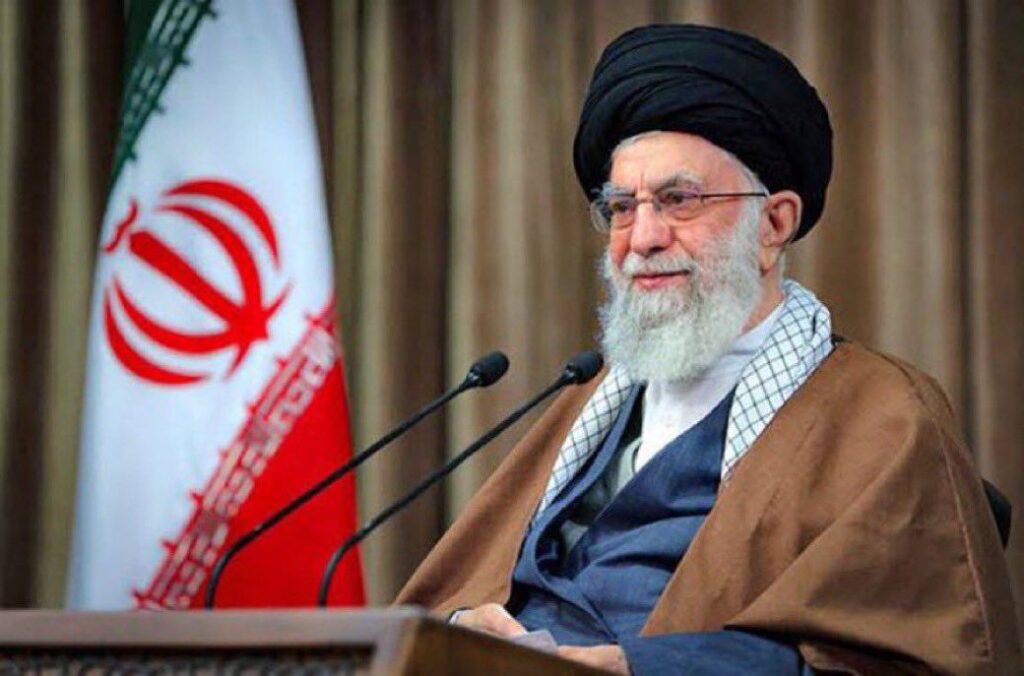
Speculation over who could eventually lead Iran has intensified amid heightened regional tensions, renewed public unrest, and growing international debate about the country’s political future. Analysts say the question of succession — long sensitive within Iran’s clerical establishment — is increasingly shaping both internal calculations in Tehran and external diplomatic messaging, particularly from the United States.
Under Iran’s constitution, the Supreme Leader is selected by the Assembly of Experts, a powerful clerical body tasked with overseeing and appointing the country’s highest authority. Any transition would be managed internally, beginning with an interim leadership arrangement before a permanent figure is chosen. The process is opaque and heavily influenced by religious credentials, elite consensus, and the position of powerful institutions such as the Islamic Revolutionary Guard Corps (IRGC).
Several clerics are frequently cited by analysts as potential figures in any future transition. They include Mojtaba Khamenei, the son of Supreme Leader Ayatollah Ali Khamenei, who is believed to wield significant behind-the-scenes influence and maintain close ties to the security establishment, though his lack of senior clerical rank remains a major obstacle. Other names include senior clerics such as Alireza Arafi, Mohammad Mehdi Mirbagheri, Hassan Khomeini — the grandson of the Islamic Republic’s founder — and Hashem Hosseini Bushehri, all of whom hold varying degrees of institutional or symbolic influence but none of whom clearly dominate the field.
The debate has also taken on an international dimension. U.S. President Donald Trump has publicly suggested that Iran’s leadership could change through internal pressure or popular uprising, raising questions about Washington’s preferred outcome. While Trump has hinted that the United States could have influence over Iran’s future direction, analysts note that Iran’s political system does not allow for foreign involvement in choosing a Supreme Leader, and any attempt to impose leadership from outside would likely strengthen hardline resistance.
Observers point to Venezuela as a recent example of Trump’s pragmatic approach to regime crises. Despite earlier support for opposition figures, Washington ultimately shifted toward managing relations with existing power structures rather than installing a leader from exile. A similar approach toward Iran, analysts say, could see the U.S. preferring to engage with a moderate or reform-minded figure emerging from within the system, rather than backing an externally imposed alternative.
At the same time, discussions about Iran’s future have revived memories of the country’s pre-1979 monarchy. The Pahlavi dynasty, overthrown during the Islamic Revolution, remains in exile, with its most prominent figure, Reza Pahlavi, advocating democratic change and a national referendum rather than a direct restoration of the throne. While some protest slogans inside and outside Iran have invoked the Shah’s legacy, political analysts widely agree that a return to monarchy remains unlikely without broad internal support and a fundamental collapse of the current system.
For now, Iran’s leadership question remains unresolved. What is clear, observers say, is that any lasting change — whether through clerical succession, internal reform, or popular uprising — is most likely to come from within Iran itself, shaped by its institutions, power brokers, and citizens, rather than by decisions made abroad


