

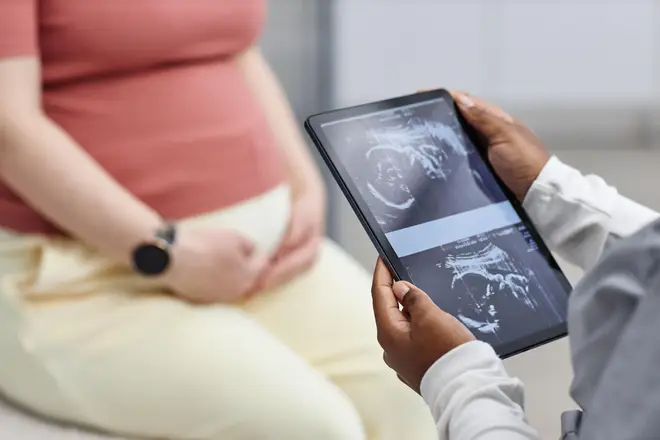
Healthcare professionals decry staffing shortages, equipment breakdowns, and growing backlogs as patients face prolonged waits for critical diagnostic services.
Prolonged delays in accessing ultrasound services are putting pregnant women and cancer patients at significant risk, sonographers have warned, as public health facilities across the country grapple with staffing shortages, equipment breakdowns, and mounting backlogs that threaten timely medical interventions.
The Kenya Society of Sonographers (KSS) has raised alarm over the worsening situation, noting that patients in urgent need of diagnostic imaging are being forced to wait for weeks or even months, a delay that can have life-altering consequences for those with suspected malignancies or high-risk pregnancies.
Speaking during the society’s annual conference in Nairobi over the weekend, sonographers described a system stretched to its limits, with many public hospitals operating with only a handful of qualified professionals to serve thousands of patients. The situation, they said, has been exacerbated by a freeze on recruitment in the health sector, leaving critical vacancies unfilled and overburdening existing staff.
“Ultrasound is often the first line of diagnosis for many conditions, especially in obstetrics and oncology. When a pregnant woman is suspected of having an ectopic pregnancy or a patient presents with symptoms that could indicate cancer, a delay of even a few days can mean the difference between early intervention and a tragic outcome,” said Nancy Chepkwony, chairperson of the Kenya Society of Sonographers.
She noted that expectant mothers requiring anomaly scans, which are critical for detecting fetal abnormalities, are sometimes turned away due to overwhelming demand, only to be given appointments weeks later when intervention options may already be limited.
The crisis is particularly acute in rural and marginalized areas, where access to ultrasound services has always been limited. In many county hospitals, a single sonographer may be responsible for covering multiple departments, including obstetrics, gynecology, internal medicine, and oncology, leading to unsustainable workloads and burnout.
Patients and their families have borne the brunt of the delays. Mary Wanjiku, a mother of two who was diagnosed with a breast lump during a routine check-up, recounted waiting nearly a month for an ultrasound at a major public hospital in Nairobi. The anxiety of not knowing whether the lump was malignant, she said, was compounded by the fear that the delay could allow the disease to progress.
“I went to the hospital in January, and I was given an appointment for the ultrasound in late February. Those weeks were the longest of my life. Every day I wondered if the cancer was spreading while I waited,” she said.
Sonographers also pointed to the frequent breakdown of ultrasound machines as a major contributor to the delays. Many facilities rely on outdated equipment that is prone to malfunction, and the procurement of replacement parts often takes months due to bureaucratic procurement processes. In some cases, machines remain out of service for extended periods, leaving entire facilities without functional ultrasound capabilities.
The Kenya Medical Practitioners, Pharmacists and Dentists Union (KMPDU) has echoed the concerns raised by sonographers, warning that the delays are symptomatic of broader underfunding and neglect of diagnostic services within the public health system. The union has called on both national and county governments to prioritize the recruitment of additional sonographers and to allocate resources for the maintenance and replacement of diagnostic equipment.
The Ministry of Health has acknowledged the challenges facing diagnostic imaging services but has maintained that efforts are underway to address the gaps. In a statement, the Ministry noted that it has been working with county governments to develop a framework for strengthening diagnostic services, including the deployment of portable ultrasound machines to underserved areas and the expansion of training programs for sonographers.
However, practitioners argue that such measures have been slow to materialize on the ground. They contend that without urgent intervention, the crisis will only deepen, with more patients facing dangerous delays that compromise their health outcomes.
The Kenya Society of Sonographers has proposed several immediate measures to alleviate the crisis, including the fast-tracking of recruitment for qualified sonographers, the establishment of emergency ultrasound protocols to prioritize high-risk cases, and the creation of a centralized equipment maintenance fund to reduce machine downtime.
As the conference concluded, sonographers called on the government to declare diagnostic imaging a priority area within the health sector, warning that continued neglect would place vulnerable patients at unacceptable risk.
“Every day of delay is a day that a mother and her unborn child are exposed to danger, or a cancer patient misses the window for early treatment. We cannot continue to treat diagnostic services as an afterthought,” Chepkwony said. “The lives of Kenyans depend on the decisions made today.”


