

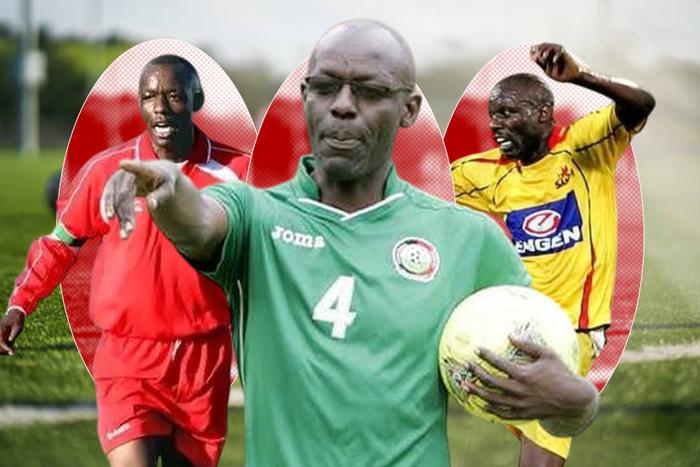
Musa Otieno, former captain of the Harambee Stars, encourages Kenyan football stakeholders to leverage the ongoing FIFA World Cup as a model for revitalizing the national team. He emphasizes that the tournament has highlighted the gaps preventing Kenya from competing at the highest level.
With the Harambee Stars missing from the global event after failing to progress in their CAF qualifying group, Otieno believes the success of other nations should motivate football administrators, coaches, and players to take action.
“The World Cup reveals where modern football stands and where Kenya needs to catch up,” he explains. He urges a thorough analysis of the tournament, focusing on youth development, coaching frameworks, talent scouting, and game management. “We can’t keep admiring other nations every four years. It’s time to create a system that enables Kenya to compete at that caliber.”
Otieno points out that many successful World Cup teams benefit from long-term planning and investment. “The countries thriving today made strategic decisions 10 or 15 years ago. Kenya needs to think beyond immediate matches or election cycles,” he advises.
He highlights the discipline and tactical organization seen in the tournament, contrasting it with Kenyan players who often lose focus during crucial moments. “World Cup teams manage games intelligently. They swiftly punish small mistakes—something the Harambee Stars must learn.”
Otieno also emphasizes the significance of diaspora talent, suggesting Kenya adopt a more proactive strategy to identify players of Kenyan descent abroad. “Nations with smaller populations succeed because they embrace their diaspora talent. We must do the same, but professionally.”
However, he cautions against viewing overseas players as a quick fix. “Diaspora players can contribute, but they aren’t the complete answer. A robust domestic development structure is essential.”
According to Otieno, the long-term solution lies in grassroots football, where future talents can be cultivated through quality coaching and competitive environments. “We need more academies, improved coaching standards, and stronger youth competitions. That’s how successful football nations are built.”
He also stresses the need for stability in football administration, noting that years of leadership conflicts have hindered progress. “No football nation thrives when administrators are more focused on fighting than planning for the future,” he insists, urging leaders to prioritize sustainable, long-term projects over short-term wins. “Consistency is the best investment Kenya can make. Football development takes years, not months.”
Additionally, Otieno supports exposing the Harambee Stars to diverse football styles through international tournaments and friendlies, stating that global experience is crucial for growth. “Our players need to regularly compete against teams from different continents. That experience builds confidence and highlights areas for improvement.”
Looking ahead to the 2030 FIFA World Cup qualification campaign, Otieno remains hopeful that Kenya can reach football’s pinnacle if the right lessons are implemented. “The dream of playing at the World Cup is still alive for Kenya, but we must start today. Every lesson from this tournament should be transformed into action,” he concludes.


