

The upcoming forecast from the Meteorological Department indicates that most regions across the country will remain dry through August and September, with scattered rains expected to begin in October.
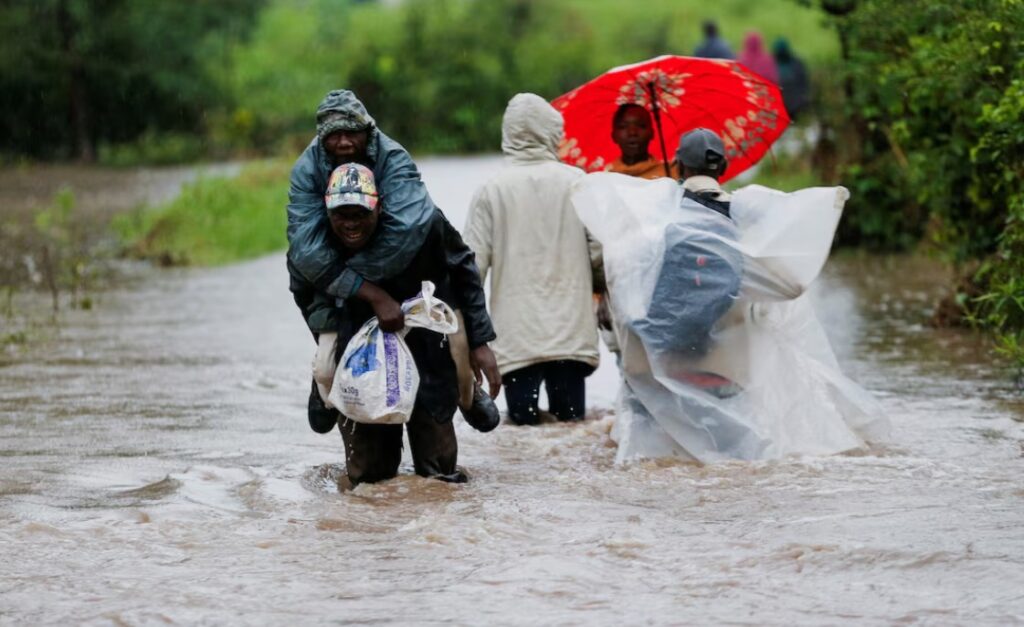
The World Meteorological Organization (WMO) has highlighted that a strengthening El Niño, coupled with a positive Indian Ocean Dipole, will likely lead to increased heavy rainfall across Kenya and the wider Horn of Africa.
“El Niño is among the most closely monitored climate phenomena globally. However, while forecasts provide critical insights, it is the proactive actions of individuals and communities that truly mitigate hazards. This developing El Niño, set against a backdrop of unprecedented ocean heat and rising temperatures, offers governments and communities a valuable opportunity to anticipate risks and take preventive measures before impacts occur,” stated WMO Secretary-General Celeste Saulo.
The WMO anticipates that El Niño will strengthen significantly between August and October, while the Indian Ocean Dipole is also projected to turn positive.
These two climate systems are poised to influence weather patterns worldwide, with the Greater Horn of Africa likely to experience above-normal rainfall.
The Indian Ocean Dipole plays a crucial role for Kenya by influencing the extent of rainfall brought by El Niño. During a positive IOD phase, sea surface temperatures near the East African coast warm, while waters near Indonesia cool. This temperature shift enhances moisture release into the atmosphere, fostering cloud formation and increasing the chances of heavy rainfall over Kenya and neighboring countries.
Acting Director of Meteorological Services, Edward Muriuki, emphasized that despite the global warming context, Kenya’s immediate outlook remains predominantly dry.
“The forecast for the next three months indicates several regions will experience dry weather in August and September, with scattered rainfall anticipated in October,” Muriuki added.
Counties such as Trans Nzoia, Bungoma, Busia, Kakamega, Siaya, Vihiga, Nandi, Uasin Gishu, Elgeyo Marakwet, Kisumu, Kericho, Nyamira, Kisii, Bomet, Migori, Homa Bay, Narok, West Pokot, Samburu, and Turkana should prepare for below-average rainfall during this period.
Conversely, areas including Kwale, Kilifi, Mombasa, Lamu, Tana River, Taita Taveta, and parts of Garissa, Mandera, Wajir, and Marsabit are likely to receive above-average rainfall.
“It is expected that the majority of these rains will occur in October,” Muriuki noted.
Isiolo and Kajiado counties are forecasted to remain generally dry throughout this time. Central Kenya counties—such as Murang’a, Nyeri, Embu, Meru, Tharaka Nithi, Kirinyaga, Nyandarua, Laikipia, Kiambu, Nairobi, Machakos, Makueni, and Kitui—should anticipate cool and cloudy conditions with occasional rainfall in August, continuing into early September before the seasonal rains commence in October.
“The forecast for August indicates that many areas will experience sunny and dry conditions,” Muriuki stated.
Near-average to below-average rainfall is expected across parts of Western, the Rift Valley, and sections of the Coast, while Turkana, Samburu, and areas of West Pokot and Baringo may see below-average rainfall.
Nairobi and surrounding counties can expect intermittent cool and cloudy weather, with occasional light rain or drizzle.
Muriuki pointed out that mean temperatures are likely to remain above average across the country, despite the chilly mornings in some highland regions.
Additionally, the department warns that strong south-easterly winds may affect parts of the North, Eastern, and Coast. These winds pose risks of damage to roofs, power lines, and could disrupt marine transport. Fog in parts of the Central Highlands may reduce visibility on roads and occasionally impact flights at Wilson and Jomo Kenyatta airports.
The cool conditions may increase the incidence of asthma, pneumonia, influenza, and common colds in highland areas. In arid regions, strong winds and dust could exacerbate respiratory illnesses and eye infections. Furthermore, prolonged dry conditions may worsen water shortages in some pastoral areas.