

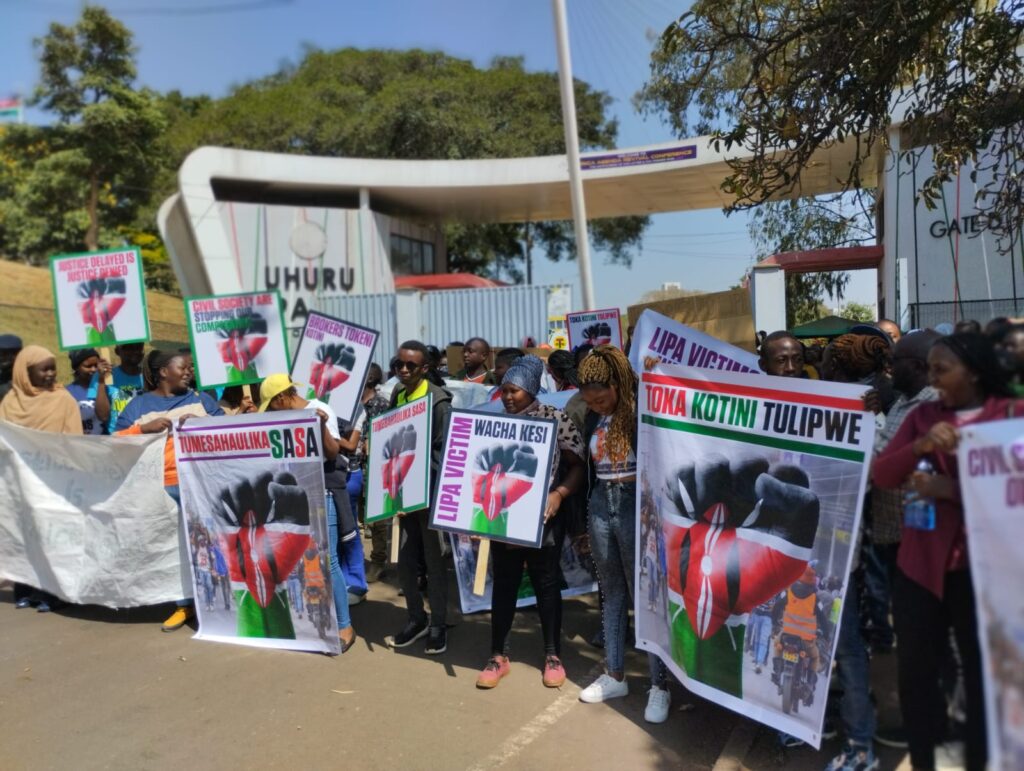
The Kenya National Commission on Human Rights (KNCHR) has identified 1,224 victims of human rights violations, including those related to protests and demonstrations, as it races against a tight deadline to establish a national compensation and reparations framework.
In a press statement released on April 1, 2026, the Commission announced that it is currently verifying the victims’ list, which will be included in a comprehensive report to be submitted to President William Ruto within 60 days, as mandated by Gazette Notice No. 3114 dated March 6, 2026.
Categories of Victims
KNCHR reports that the victims represent various categories of severe human rights violations, such as extrajudicial killings, torture, abductions, enforced disappearances, evictions, sexual and gender-based violence, and losses of property and livelihoods.
The Commission has developed a roadmap and prepared a working document to guide consultations with stakeholders, including victims and survivors, relevant government agencies, civil society organizations, and various interest groups. After gathering input from these stakeholders, the Commission will produce a draft Reparations Framework, which will undergo extensive public participation in accordance with the Constitution.
Furthermore, the Commission is compiling a list of human rights violation victims, which will be submitted to the President along with the Reparations Framework once it has been verified against eligibility criteria. This list currently includes 1,224 victims and encompasses various categories of severe human rights violations, notably extrajudicial killings, torture, abductions, enforced disappearances, evictions, sexual and gender-based violence, and losses of property and livelihoods.
The Commission emphasized that this initiative is part of a wider effort to create a structured framework for compensation and reparations for affected individuals nationwide.
President Ruto’s directive requires the Commission to deliver the reparations framework within a strict 60-day timeline, adding pressure on KNCHR to complete its consultations and verification processes promptly.
To meet this deadline, the Commission has already established a roadmap and a working document that directs its engagements with victims, survivors, civil society organizations, and relevant government agencies. After incorporating stakeholder feedback, the draft framework will undergo public participation as required by the Constitution before its final submission.
Submission Deadline
The Commission has set April 3, 2026, as the deadline for submitting supporting documents, including medical reports, police records, post-mortem reports, and witness statements.
To facilitate more applicants, KNCHR has announced that its offices will remain open on the public holiday to accept submissions. Victims can file their claims at KNCHR’s head office in Nairobi, at regional offices across the country, or through digital platforms such as email, SMS, and WhatsApp.


