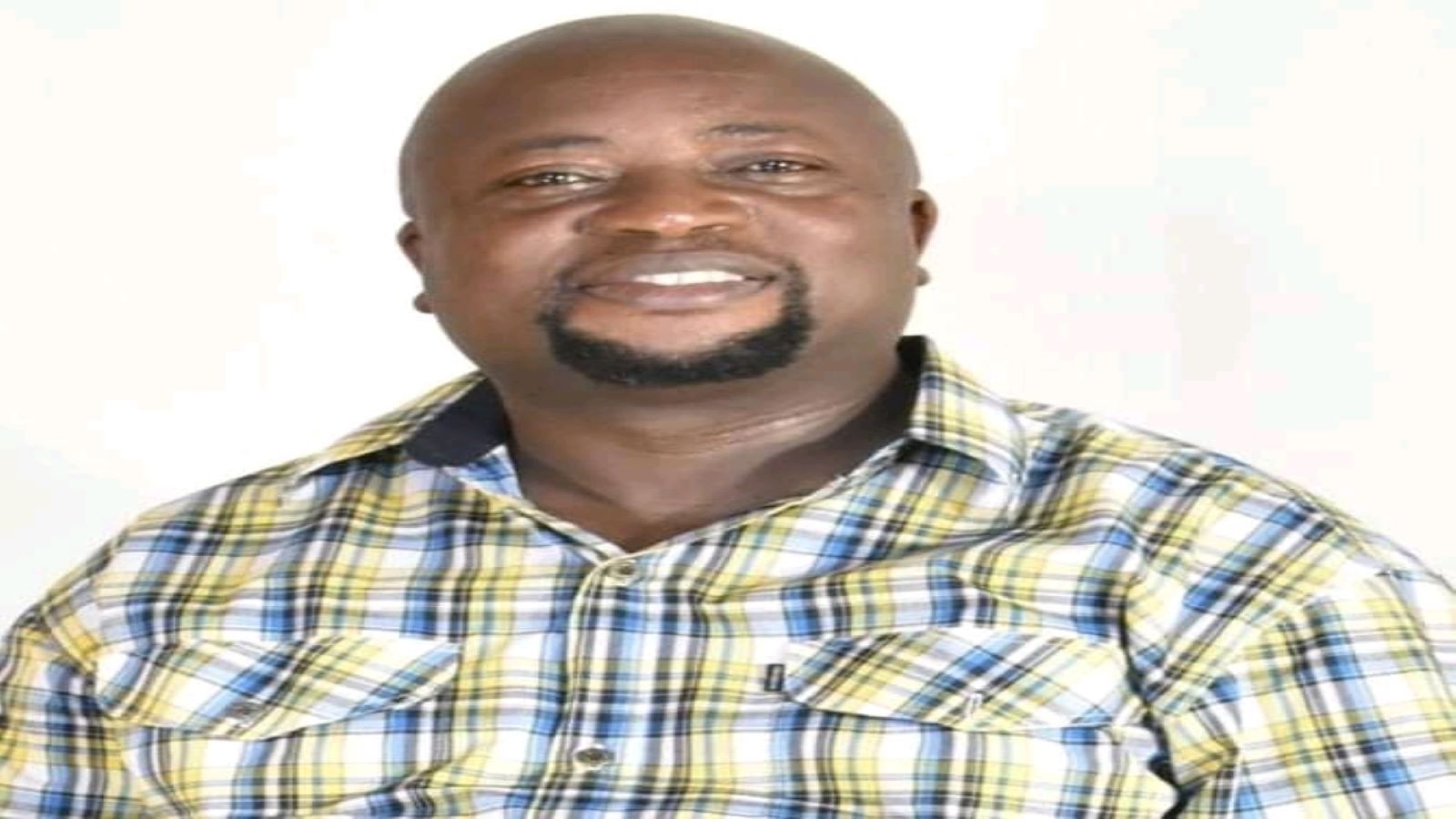
Senate Speaker Amason Kingi has issued a clear warning to lawmakers about the consequences of absenteeism during House and committee sittings, emphasizing that this trend jeopardizes the Senate’s effectiveness.
During the official opening of the fifth session planning retreat at Sawela Lodge in Naivasha, Kingi revealed that 48 committee meetings recently adjourned due to insufficient quorum. He characterized this situation as “troubling” and a direct threat to the House’s constitutional responsibilities.
“The Senate must not become collateral damage in political campaigns. Our legislative, oversight, and representative duties cannot be suspended or compromised by political ambitions,” Kingi stated.
He urged senators to prioritize their parliamentary responsibilities, particularly in light of the increased political activities in their counties as the general election approaches.
Kingi highlighted the importance of committees as the “laboratories of the Senate,” where legislation is rigorously examined, audit reports are scrutinized, and county governments are held accountable. He warned that neglecting committee meetings undermines oversight and delays the progress of critical legislation, adding that “disagreement is the lifeblood of democracy, but disorder is not.”
The Speaker also addressed escalating tensions between the Senate and county governments, noting attempts by some governors to remove four senators from essential oversight committees while threatening to boycott summons. Kingi dismissed these actions as unconstitutional, asserting that accountability remains non-negotiable.
“It is contradictory to seek Senate support for increased revenue while resisting oversight on expenditures. Governors must respect invitations from the County Public Accounts Committee and the County Public Investments and Special Funds Committee,” he asserted.
As the fifth session commences, Kingi outlined the House’s priorities, including expediting bill processing, enhancing scrutiny of county expenditures, addressing audit queries, and improving public engagement through petitions.
Senators are encouraged to focus on climate change oversight within the Financing Locally-Led Climate Action programme, recognizing the pivotal role counties play in implementing adaptation strategies.
Other key areas of focus include universal health coverage, food security, education, and intergovernmental relations.
Kingi commended senators for their achievements during the fourth session, noting that the House conducted 127 plenary sittings and 864 committee meetings, which included 77 county oversight visits. During this period, the Senate also pursued three impeachment proceedings and developed an impeachment manual to guide county assemblies in ensuring due process.
“In athletics, it is not the runner who starts fastest who wins, but the one who finishes strongest. This final lap requires renewed energy and discipline,” he urged, encouraging members to conclude their term with strength and a commitment to preserving devolution.
The retreat, themed ‘Advancing the Senate’s Agenda: Review, Strategy, and Sustainable Progress,’ serves as a crucial platform for assessing performance, identifying challenges, and aligning priorities for the year.
Senate Clerk Jeremiah Nyegenye emphasized the session’s significance in fast-tracking pending legislation, enhancing oversight, and solidifying the Senate’s legacy as the 13th Parliament approaches its final phase.
The gathering includes senators, parliamentary leadership, Cabinet secretaries, and key stakeholders from sectors such as devolution, health, agriculture, education, and climate governance.
Nyegenye pointed out that discussions will focus on devolution and intergovernmental relations, as governors, county assembly representatives, and national government officials collaborate with senators to address challenges and legislative gaps.
“The retreat will help identify key interventions to strengthen devolved governance structures and improve coordination between the two levels of government,” he stated.
He noted that past conflicts between the Senate and counties regarding audit compliance and accountability make these issues central to the House’s constitutional mandate.
Discussions will also cover health sector reforms, including the 2023 Social Health Insurance framework, to evaluate the implementation of universal health coverage at both national and county levels.
Agriculture and food security, vital contributors to Kenya’s GDP and employment, will also be key topics, with attention on climate shocks, supply chain challenges, and value addition to enhance productivity and rural livelihoods.
The retreat will examine climate financing under the FLLoCA programme, emphasizing accountability, value for money, and the essential role of counties in climate adaptation.
Nyegenye highlighted that counties are crucial in translating national climate commitments into actionable, community-focused initiatives.
Education remains another focal point, particularly in managing Early Childhood Development Education and technology-driven training programs.
On the legislative agenda, senators will review the draft Referendum Bill and the Constitution of Kenya (Amendment) Bill, which aim to enforce the two-thirds gender principle and improve representation for persons with disabilities—a provision that has remained unimplemented since 2010 despite multiple attempts.
The retreat will also address senators’ welfare, including discussions on a proposed post-service medical scheme, infrastructure upgrades, and capacity-building programs through the Centre for Parliamentary Studies and Training.
Support desks from the Social Health Authority, the National Social Security Fund, and the Kenya Revenue Authority will be available to assist members throughout the retreat.
Nyegenye assured senators of the secretariat’s unwavering support in fulfilling their constitutional duties. “I hope the outcomes of this retreat will inform the Senate’s strategic focus and refine its legislative and oversight priorities,” he concluded.