

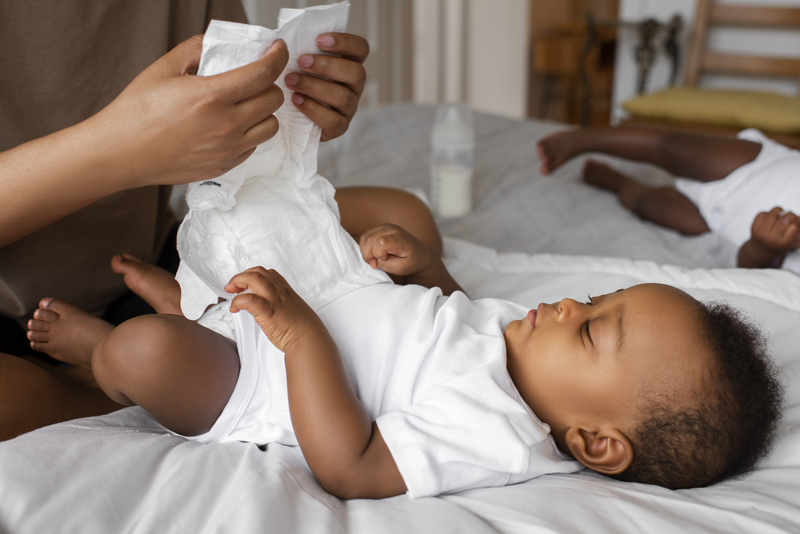
Kikuyu cultural elders are encouraging parents to limit the use of disposable diapers for baby boys, as they believe prolonged use may impact the development of their reproductive organs.
This advice comes from Kiama Kia Ma, a Kikuyu cultural organization, after observing over 100 boys during a traditional circumcision ceremony at Hillcrest Academy in Kanunga village, Kiambu County.
Kimando wa Kagwe, the chairman of Kiama Kia Ma in Kiambu Sub-County, expressed concern after noticing several boys with smaller-than-average reproductive organs. He mentioned that medical specialists linked this observation to extended use of disposable diapers, although no clinical evidence confirmed this connection.
“It wasn’t just one boy; many had smaller manhood. Our medical specialists noted that prolonged diaper use might have caused the issue,” Kagwe stated.
He also pointed out that some parents leave their children in wet or soiled diapers for too long, which could lead to health complications.
“A diaper can hold up to 2 liters of liquid. If a child remains in it for too long, it can harm them,” he added.
Kagwe noted that doctors faced challenges during the circumcision due to the smaller size of the boys’ reproductive organs.
“All boys were circumcised and have healed, though some wounds appear larger than expected,” he remarked.
The elders have called on parents to limit diaper use, especially indoors, and suggested dressing boys in regular shorts at home while reserving disposable diapers for travel and necessary situations.
Parent Mery Wangari echoed the elders’ concerns, attributing the issue to some mothers not changing diapers frequently.
“It’s common for a child to sleep in a diaper overnight and remain in it all day without being changed,” Wangari observed.
She linked this behavior to financial struggles and a lack of diligence among some parents.
“Some young mothers are hesitant to change diapers, while others face financial constraints. This negligence is affecting the children,” she explained.
Wangari urged the government to consider banning disposable diapers or introducing safer alternatives.
“These diapers are littered everywhere; we need a better solution,” she stated.
Regarding the scientific perspective on diapers and male development, there is currently no solid evidence suggesting that disposable diapers cause penis shrinkage or hinder normal growth.
Research has explored the link between disposable diapers and scrotal temperature. A 2000 study published in the Archives of Disease in Childhood found that boys in disposable diapers had higher scrotal temperatures compared to those in cotton nappies. However, this study did not prove that temperature differences lead to reduced growth or smaller reproductive organs.
Male genital development is influenced by hormones, genetics, and the natural stages of puberty, with boys developing at different rates. Therefore, size variations do not necessarily indicate medical issues.
Health professionals recommend that parents regularly change diapers, properly clean their children, and keep the genital area dry to avoid irritation and diaper rash. Parents concerned about their children’s reproductive development should seek medical advice instead of relying on comparisons with others.


