

The Kenya Meteorological Department forecasts that heavy rains will likely subside after next week. Acting Director Edward Muriuki stated that while the rains may persist in various regions through early May, they are expected to diminish later in the month.
Muriuki explained that this pattern is typical, as May generally marks the conclusion of the long rains season across much of Kenya. He noted, “The outlook for May suggests that the latter half will be drier than average, signaling the end of the March-April-May rainfall season in many areas, including the Highlands East of the Rift Valley, Southeastern Lowlands, and Northeastern Kenya.”
He elaborated on the climatic shift, stating that the Inter-Tropical Convergence Zone moves northward as the sun transitions into the Northern Hemisphere, leading to reduced moisture and weaker rainfall systems in Kenya.
In light of these developments, KenGen reassured the public that its hydropower dams remain within safe operational limits and are unlikely to cause flooding. Managing Director Peter Njenga emphasized that all dams are functioning safely, with controlled releases where necessary. He highlighted the economic benefits of hydropower, suggesting that increased output could lessen reliance on thermal generation and reduce electricity costs for consumers.
However, he urged communities along the Tana River to steer clear of riverbanks and heed local officials’ advice as rainfall continues.
Looking ahead, Muriuki indicated that temperatures are set to drop in June, marking the start of the cold and dry season. He advised residents in counties like Nyandarua, Nyeri, and Kericho to brace for chilly mornings and overcast days. July is anticipated to be even colder, with persistent cloudiness and potential light rains.
Despite this, the Meteorological Department noted that average temperatures may still exceed normal levels due to global warming trends.
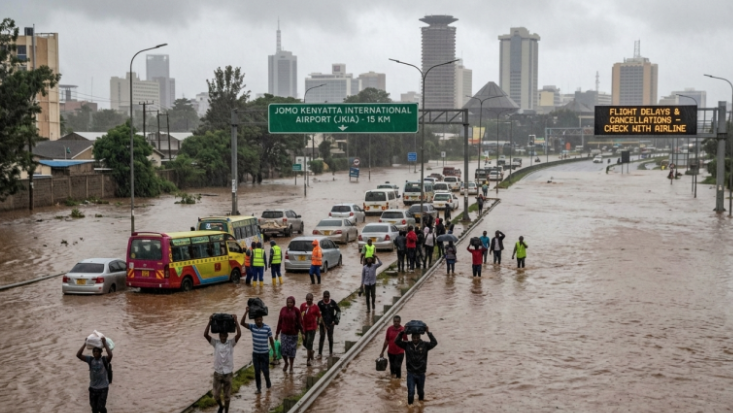
This forecast arrives amidst a troubling wave of floods and landslides that have resulted in at least 18 fatalities and affected over 54,000 households nationwide.
While most regions may see a cessation of rains, areas around Lake Victoria, parts of the Rift Valley, and the Coast are expected to receive lighter rainfall. Counties such as Turkana and Samburu may continue to experience some precipitation into June.
The forecast predicts near-average rainfall for the Highlands West of the Rift Valley and the Lake Victoria Basin in May, with heavy rain anticipated in the early part of the month. Similarly, the Rift Valley region is expected to receive near-average rainfall, with potential heavy downpours.
In the Highlands East of the Rift Valley, including Nairobi and surrounding counties, rainfall is expected to remain near average, though eastern Meru, Embu, and Tharaka Nithi may experience below-average amounts.
Muriuki concluded that various regions, including the Highlands and Northwestern Kenya, are likely to see near-average rainfall, particularly in the first half of May.