

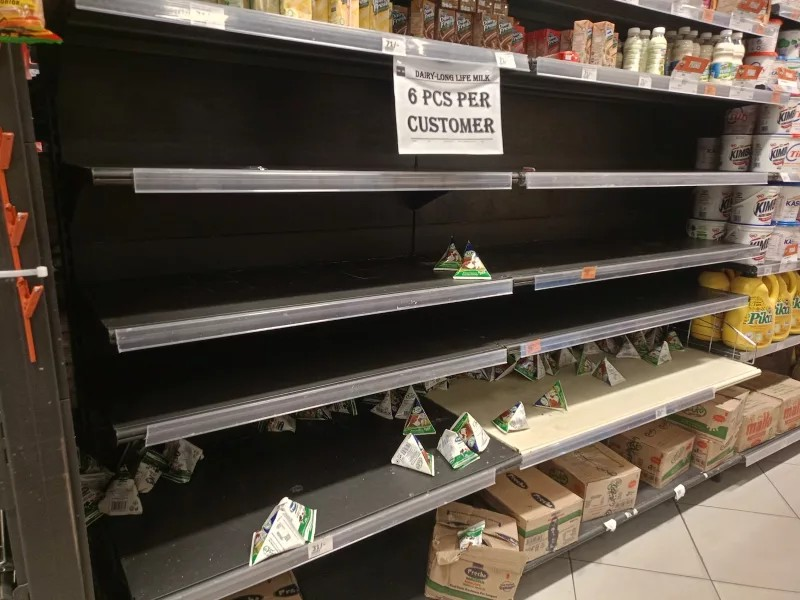
The country is currently facing a milk shortage primarily due to dry and cold conditions that have diminished pasture and fodder availability in crucial dairy-producing regions. This situation has led to a significant decrease in the volume of milk supplied to processors.
The Kenya Dairy Board (KDB) reported a decline in formal milk deliveries, dropping from 84.4 million liters in June 2026 to 81.3 million liters in July—a reduction of 3.7%. Preliminary forecasts suggest that this downward trend may continue into August.
Despite these challenges, KDB Managing Director William Maritim reassured consumers that milk remains available in the market, although certain areas are experiencing temporary supply constraints.
This decline underscores the vulnerability of Kenya’s dairy industry to seasonal weather variations, which can directly impact feed availability, milk yields, and the volumes collected by processors.
Understanding the Supply Decline
KDB’s recent market assessments have identified various supply constraints, including low stock levels, limited availability of certain brands and pack sizes, and delays in replenishment at retail outlets.
Pasteurized milk has faced more significant disruptions compared to long-life products such as extended shelf-life (ESL) and ultra-high temperature (UHT) milk, which are relatively more accessible. This difference arises from the processing and distribution methods; fresh pasteurized milk relies heavily on consistent farm collections and swift supply chain movement, while UHT and ESL products have longer storage capabilities.
The current supply constraints stem largely from dry and cold conditions affecting key milk-producing areas.
For dairy farmers, the reduced availability of pasture and fodder places additional pressure on milk production, especially for those with limited capacity to store feed during dry spells. The International Livestock Research Institute has suggested that improving silage and forage preservation could help smallholder dairy farmers maintain feed availability when fresh pasture is scarce.
Impact on Prices
So far, the supply constraints have had a limited impact on national milk prices. KDB reported that retail milk prices have generally remained stable, although certain areas facing supply challenges have seen some price increases.
The effects on pricing are likely to vary by location and product, as not all markets are experiencing shortages equally. Areas with lower supplies and delayed restocking are more susceptible to price hikes compared to regions receiving adequate deliveries.
Looking ahead, the rainfall season from October to December 2026 could offer some relief. KDB anticipates that improved rainfall will enhance pasture and fodder availability, thereby supporting a recovery in milk production and supply.
Maritim stated, “The outlook for the October–November–December 2026 rainfall season is expected to foster recovery in pasture and fodder availability, leading to improved milk production and supply as conditions become more favorable.”
Addressing the Supply Challenges
The long-term goal is to reduce the dairy sector’s vulnerability to seasonal production fluctuations. The government is actively implementing measures to boost milk production and enhance the resilience of the dairy value chain. These initiatives include procuring and distributing milk coolers to improve aggregation and preservation, as well as supporting dairy herd improvement through subsidized sexed semen.
Milk coolers can minimize losses between farms and processors by enhancing handling and preservation, while herd improvement aims to increase the productivity of Kenya’s dairy animals over time.
KDB asserts that these interventions will contribute to higher production levels and more stable milk supplies.
Additionally, the Board continues to monitor milk production, formal deliveries, market availability, and retail prices, collaborating with industry stakeholders to ensure a consistent supply.
For consumers, the pressing question is whether the anticipated rains will restore supplies and mitigate further price pressures. For farmers and processors, the more significant challenge lies in whether investments in feed, cooling infrastructure, and herd productivity can yield more consistent milk production year-round.
KDB reassures all stakeholders that the current situation is temporary, emphasizing a commitment to navigating these challenges effectively.


