

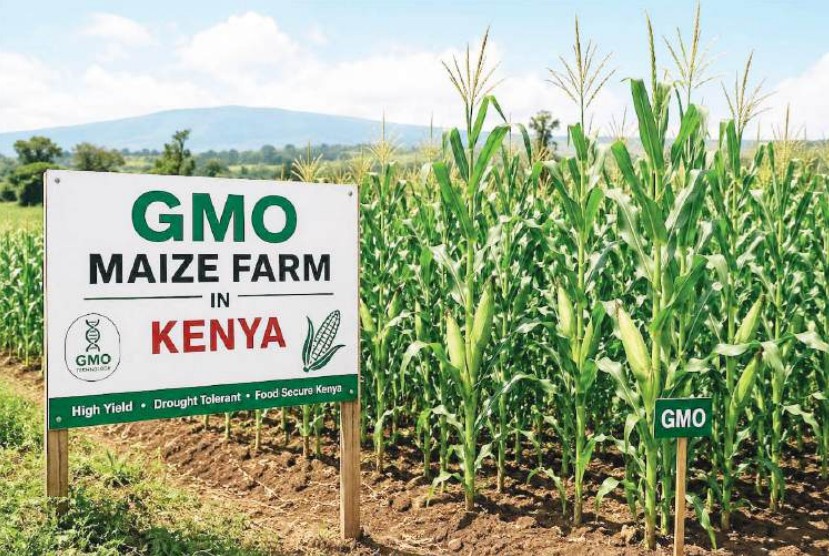
The government is actively addressing public concerns about the safety of Genetically Modified Organisms (GMOs) amid widespread misinformation.
Moses Sande, Legal Officer of the National Biosafety Authority (NBA), reassured Kenyans that strict measures are in place to ensure the safety of GMO technology. He emphasized that no one can introduce GMOs without a thorough assessment and approval from regulatory agencies.
Currently, cotton is the only genetically modified crop approved for commercial cultivation in Kenya, with farming taking place in 30 arid and semi-arid counties. Sande highlighted that scientists are developing drought-tolerant crops to enhance food security, with plans to begin trials for genetically modified maize and Irish potatoes to meet rising national demand.
Speaking in Isiolo Town at a Corporate Social Responsibility (CSR) event for the Isiolo School for the Deaf, Sande represented National Biosafety Board CEO Anne Karimi. He revealed that all GMO crops undergo rigorous inspection and testing before being approved for commercial release.
He noted that the Kenya Plant Health Inspectorate Service (KEPHIS) and the Directorate of Veterinary Services (DVS) are key partners with the NBA in ensuring safety and security.
Sande pointed out that several African nations, including South Africa, Nigeria, Ethiopia, and Sudan, have adopted GMO technology to combat climate change and strengthen food security.
During the event, Assistant Director of Education Eric Bundi expressed gratitude for the Authority’s donation of food supplies and financial support to the school, which included beans, maize, milk, and cooking oil. This support arrives at a crucial time as the region faces prolonged drought.
School principal Godfrey Gikunda requested ongoing assistance to expand agricultural activities, which would help meet students’ nutritional needs and enhance food security.
GMO technology leverages biotechnology to modify the DNA of crops or livestock, transferring specific genes to introduce beneficial traits like pest resistance, herbicide tolerance, drought resilience, and improved nutritional value.


