

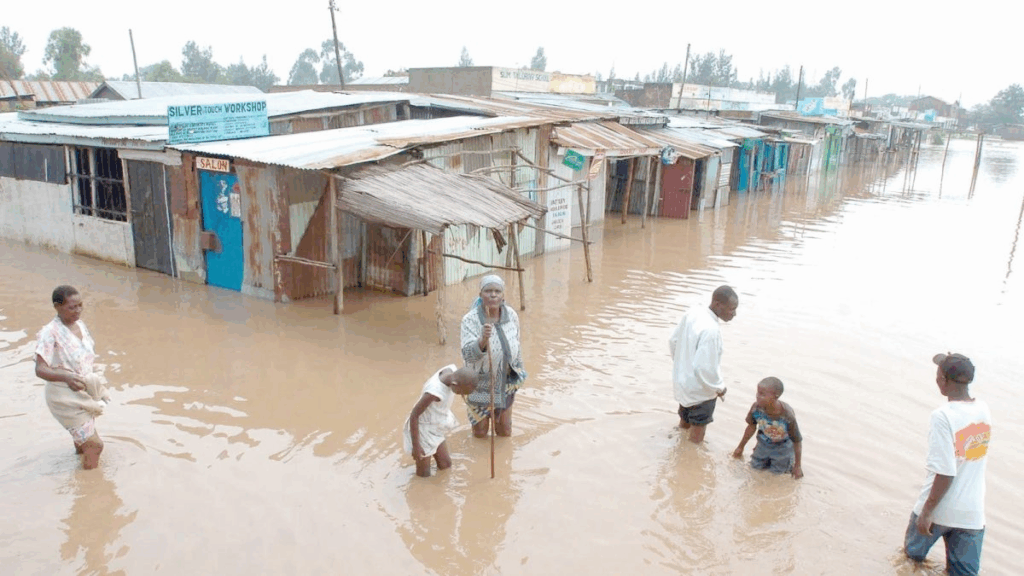
The government has introduced seven crucial measures to enhance preparedness and response in anticipation of the El Niño rains expected from October to December. These rains may lead to above-normal rainfall across much of the country.
These anticipated rains could result in significant challenges, including flooding, drowning, injuries, fatalities, community displacement, disease outbreaks, disruption of essential services, and damage to vital infrastructure such as roads.
In a recent statement, the government emphasized the National Contingency Plan, developed in partnership with national and county agencies, humanitarian organizations, security agencies, and other disaster management stakeholders. This plan aims to bolster early warning systems and response capabilities before the rainy season.
One key measure includes the mapping of hotspots to pinpoint areas particularly susceptible to flooding and the adverse impacts of heavy rainfall. This mapping will guide the prioritization of preparedness, evacuation, and response efforts, focusing on riverine and low-lying regions, coastal areas, highlands prone to landslides, arid and semi-arid lands (ASALs), northern Kenya, and urban zones vulnerable to flooding.
The government has also identified roads and transport infrastructure likely to be affected across various regions, including North Eastern, Tana River, Coastal, Western/Nyanza, Rift Valley, Turkana, Nairobi, Central, and Eastern. This proactive identification allows relevant agencies to enhance monitoring, implement preventive measures, and refine response planning.
Another critical action involves the ongoing unclogging and desilting of drainage systems, culverts, and water channels to improve water flow and mitigate urban flooding risks. Agencies such as the Kenya Urban Roads Authority (KURA) are actively clearing choke points in these drainage systems.
The government is actively raising awareness about the evacuation of individuals living on riparian land and other high-risk areas. Temporary holding grounds have been designated for populations that may need to evacuate due to flooding or emergencies. The monitoring of water levels in rivers and other bodies of water, especially around major dams and communities along riverbanks, is also underway.
Additionally, relevant agencies are conducting inspections of bridges, roads, and critical utilities in flood-prone areas to identify vulnerabilities and implement preventive measures.
Community-level early warning systems are being fortified through local leaders and community structures to ensure timely information reaches those in high-risk areas.
Public sensitization efforts on disaster preparedness, early warning information, and appropriate response measures are intensifying, ensuring communities understand the risks and know how to act before, during, and after heavy rainfall.
The government is pre-positioning emergency relief items, including food, non-food items, and medical supplies, at strategic locations to facilitate a swift response in the event of displacement or emergencies.
Coordination among National Government Administration Officers (NGAOs), county governments, the Kenya Red Cross Society, the National Drought Management Authority (NDMA), security agencies, health workers, and disaster management stakeholders is being enhanced for a timely and coordinated response.
Rapid response teams are on standby and being strengthened to conduct search and rescue operations, evacuations, and post-disaster assessments as needed. First responders from various agencies are prepared to act swiftly when called upon.
The government, through the National Disaster Operations Centre and County Disaster teams, remains committed to ensuring that the country is prepared, responsive, and resilient throughout this rainy season.
However, the government cautions that preparedness does not eliminate risk, emphasizing that heavy rainfall can quickly overwhelm drainage systems, rivers, and critical infrastructure in already vulnerable areas.
The risks of flooding, displacement, loss of livelihoods, infrastructure damage, and, in severe cases, loss of life are significant.
While these measures are in place, the government encourages the public to stay vigilant and take necessary precautions, especially those residing in flood-prone, landslide-prone, and other hazardous areas.
We urge individuals living along riverbanks, riparian reserves, low-lying regions, and other identified high-risk locations to heed evacuation advisories and move to safer ground when instructed.
The public is also encouraged to report blocked drainage systems, rising water levels, damaged infrastructure, and emerging hazards to the relevant authorities.


