
The ongoing Ebola outbreak in the Democratic Republic of Congo is poised to become the deadliest in history, according to the Director-General of the World Health Organization (WHO), Tedros Adhanom Ghebreyesus. He informed reporters that, if the current trend continues, the 2026 outbreak will surpass the 2014-2016 outbreak, which resulted in over 11,000 fatalities.
Since its declaration on May 15, this year’s outbreak has recorded at least 4,300 cases, leading to more than 2,000 deaths. The WHO expressed optimism about reversing the disease’s spread within three months, emphasizing that this involves controlling transmission rather than completely ending the outbreak.
Although the epidemic was officially recognized in May, health officials believe it began at least three months earlier. Dr. Mohamed Janabi, the WHO Africa director, highlighted the urgency of the situation during a press conference in Bunia, close to the outbreak’s epicenter, stating, “We are chasing the virus, and it is ahead of us.” He referenced research indicating that the virus began circulating in February and was initially misidentified as malaria or typhoid.
This outbreak results from the rare Bundibugyo species of Ebola, which has previously caused only two known outbreaks in 2007 and 2012. Currently, no approved vaccine or recognized therapeutic treatments exist for this strain of the virus.
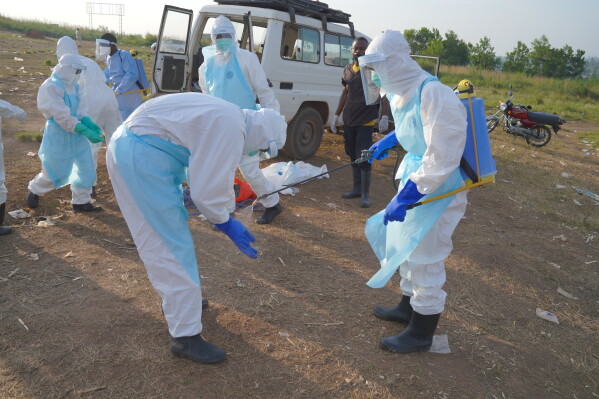
The regional instability in eastern DR Congo complicates efforts to control the outbreak, with health workers managing to reach only about 30% of cases, as reported by Janabi.
Ebola, while rare, poses a significant threat, with symptoms manifesting within two to 21 days post-infection. Initial symptoms can mimic those of flu or malaria, such as fever, headache, and fatigue, but as the disease advances, it can lead to severe vomiting and diarrhea, ultimately resulting in organ failure. The virus transmits through contact with infected bodily fluids, including blood and vomit.
In a positive development, the UK’s Medicines and Healthcare products Regulatory Agency (MHRA) has authorized the first human trials of a vaccine targeting the Bundibugyo strain. This vaccine is being developed by a team at the University of Oxford, utilizing the same technology as the Oxford-AstraZeneca COVID-19 vaccine. Additionally, three other research teams are working on different vaccines for Bundibugyo, although they have not yet commenced clinical trials.
The WHO is also facilitating a separate clinical trial in DR Congo to evaluate whether two existing antiviral therapies can enhance survival rates. Together, these efforts represent a crucial step towards combating this urgent health crisis.