
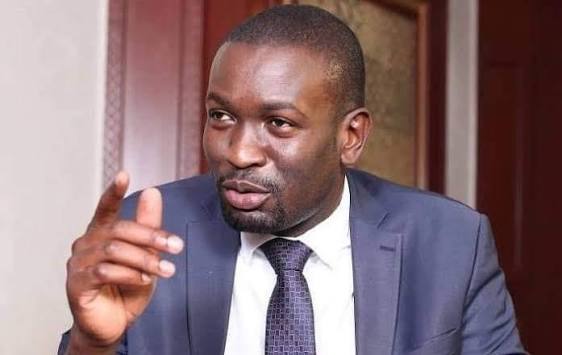
Certainly! Edwin Sifuna’s candidacy signals a fresh opportunity that may pose a genuine challenge for President William Ruto. His ability to engage and unite young voters could reshape the political landscape, especially since many of these first-time voters are eager for generational change. This shift could potentially cost the President a significant portion of support from the Western region.
As Sifuna emerges as a serious presidential contender from this area—historically known for dividing its votes among multiple candidates—his momentum could disrupt Ruto’s influence in the region.
When we observe how Kenya Kwanza and UDA are establishing their presence in Western, it almost feels like the presidential campaign is already in full swing, with the Bungoma governor acting as the lead coordinator.
The stakes are undeniably high. The President appears determined to secure this region, not only from his former rival turned ally, Raila Odinga, but also to prevent any potential support from drifting toward other candidates, including Sifuna.
While the President has effectively regained the seat in Malava, it’s crucial to note that the party recently lost a civic ward to the new DCP, whose leadership, aside from Malala, does not stem from the local populace. This loss highlights that certain areas within the region are vulnerable and can slip away unless he revisits and honors the promises made to the people of Western.
Reflecting on the 2022 elections, the President successfully won over key allies like Musalia Mudavadi and Moses Wetang’ula, rewarding them based on those commitments. Wetang’ula now serves as the Speaker, fulfilling the promise made to him, while Mudavadi holds the title of Prime Cabinet Secretary, a position that places him as the first among equals in the Cabinet.
However, the President’s responsibilities extend beyond these top roles. He pledged to enhance infrastructure with road improvements and ensure various governmental appointments were made, beyond just the two prominent positions already secured for these regional leaders.
To strengthen his bargaining power and maintain support in the region, it’s essential for the President to follow through on these commitments.