
Lebanon reports that Hezbollah has agreed to a US plan for a mutual halt of attacks on Israel and Beirut. The Lebanese embassy in the US confirmed Hezbollah’s acceptance of this proposal.
Israeli Prime Minister Benjamin Netanyahu acknowledged the agreement but cautioned that if Hezbollah continues its attacks, strikes on Beirut would proceed. This announcement followed US President Donald Trump’s discussions with both Netanyahu and Hezbollah, where they reportedly agreed to ceasefire terms amidst tensions over Israeli military actions in Lebanon.
The Lebanese embassy stated that the proposed arrangement would see Israeli strikes on Beirut’s southern suburbs stop in exchange for Hezbollah refraining from attacks on Israel, extending the ceasefire across all Lebanese territory.
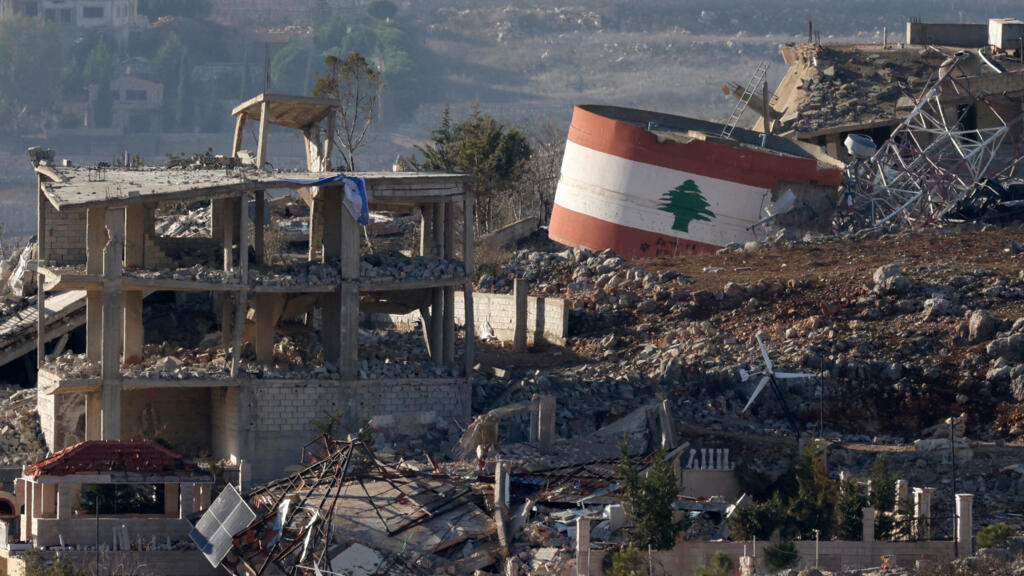
However, Netanyahu emphasized that the Israeli Defense Forces would continue operations in southern Lebanon as planned. Despite the ceasefire, some clashes persisted, with Hezbollah launching attacks on Israeli tanks and soldiers, while the Israeli military intercepted projectiles fired from Lebanon.
Lebanon’s National News Agency reported Israeli strikes in southern areas, including a significant explosion in Debbine. Earlier, Netanyahu had ordered strikes on “terror targets” in response to Hezbollah’s rocket and drone attacks, prompting warnings from Iranian officials about the ceasefire’s integrity.
Iran’s Tasnim news agency indicated that Tehran might suspend indirect negotiations with the US regarding Israeli actions in Lebanon. They also hinted at activating other fronts, including the Bab al-Mandab Strait.
Despite these tensions, Trump assured on Truth Social that discussions with Iran were ongoing, emphasizing no troops would be sent to Beirut and that both Hezbollah and Israel agreed to halt hostilities.
The US aims to keep events in Lebanon separate from negotiations with Iran, which has historically supported Hezbollah. Recently, Secretary of State Marco Rubio suggested a plan for gradual de-escalation to both Netanyahu and Lebanese President Joseph Aoun.
Since the ceasefire began on April 16, the Israeli military has limited strikes on Beirut, following pressure from the White House for restraint as part of broader negotiations with Iran. Although a truce between the US and Iran started on April 8, fighting has continued.
Tensions in the Strait of Hormuz escalated over the weekend, with the US targeting Iranian military sites and Iran responding against a US base in Kuwait. Oil prices surged following these exchanges, reflecting the volatility in the market since the onset of the conflict.
Trump has expressed optimism about a potential permanent deal between Washington and Tehran, although no formal agreement has yet been established.