Kenya’s latest wildlife population estimates show mixed fortunes for endangered species between 2021 and 2025, reflecting both conservation gains and emerging threats.
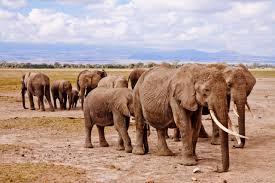
The new census data reveals encouraging progress for several flagship species. Elephant numbers rose significantly from 36,280 to 42,072, signalling continued success in anti-poaching efforts and habitat protection across the country’s national parks and reserves.
Black rhinos also recorded steady growth, increasing from 897 to 1,059, while southern white rhinos climbed from 842 to 1,041. These figures underscore the effectiveness of Kenya’s decades-long rhino conservation strategy, which has focused on intensive veterinary care, dehorning, and armed security.
However, not all species are recovering. The hirola antelope—one of the world’s rarest antelopes—dropped sharply from 497 to 245, raising fresh concerns about its survival. Found mainly in northeastern Kenya, the hirola faces habitat degradation, predation, and competition with livestock.
Lions also declined slightly, from 2,589 to 2,512, pointing to ongoing human-wildlife conflict and habitat pressures. As human populations expand into traditional lion territories, retaliatory killings and prey depletion remain serious challenges.
The critically endangered northern white rhino remains at just two individuals—both females residing under 24-hour armed guard at Ol Pejeta Conservancy. With no surviving males, the subspecies’ future now depends entirely on advanced reproductive technologies such as in vitro fertilization.
On a brighter note, the mountain bongo showed modest recovery, rising from 150 to 179. This rare forest antelope has benefited from captive breeding and reintroduction programmes in the Aberdare highlands.
Overall, the data highlights Kenya’s progress in conservation, but also the need for sustained intervention to protect vulnerable species before they slip further toward extinction.