
KAMPALA – Early results from Uganda’s presidential election show long-serving President Yoweri Museveni leading with a commanding margin, but his main rival, Bobi Wine, has dismissed the figures as “fake” and accused authorities of electoral theft and intimidation.
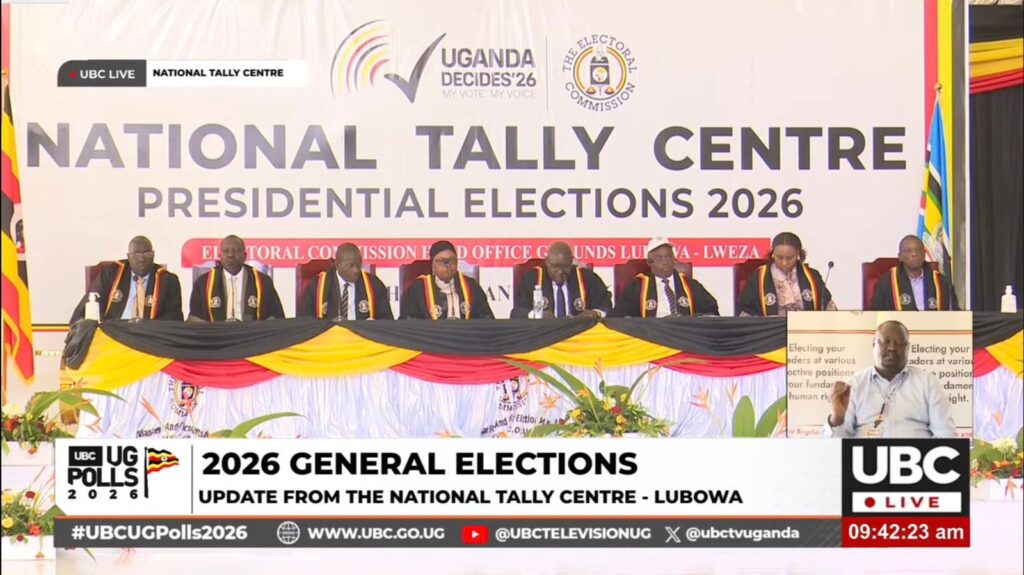
According to Uganda’s Electoral Commission, with over 70% of polling stations tallied, Museveni holds around 75% of the vote, while Bobi Wine—whose real name is Robert Kyagulanyi—stands at approximately 21%. The announcement, however, has been met with fierce opposition rejection and deepening public distrust.
In a dramatic escalation, Bobi Wine’s National Unity Platform (NUP) party alleged Friday that soldiers surrounded his Kampala home, entered his compound, and forced him and his wife into a military helicopter, flying them to an undisclosed location. The army has dismissed the claim as “absurd,” but Wine’s family and party officials say they have lost contact with him.
Wine had earlier reported being under house arrest since voting ended, with security forces blocking movement in and out of his residence. “They do this out of fear for the people they have offended by committing so many atrocities,” he said in a social media post before communications were severely restricted.
The election period has been marked by a nationwide internet shutdown, heavy military deployment, and reports of violence. At least seven people were killed in Butambala district late Thursday when security forces clashed with opposition supporters gathering to monitor results. Police and opposition accounts of the incident differ sharply, with NUP officials claiming live rounds were fired into a private home.
International observers have noted no widespread irregularities in the voting process itself but have raised concerns over the restrictive pre-election environment, including arrests of opposition supporters, violent disruptions of rallies, and the silencing of critical voices.
In Kampala, frustration is growing over the lack of transparency in the tallying process. Bobi Wine and other opposition figures have repeatedly challenged the Electoral Commission to disclose the source of its results, accusing Chairman Justice Simon Byabakama of “managing a narrative” rather than conducting a verifiable count.
“When results are announced without transparency or verifiable sources, they stop being results and become declarations,” wrote a Ugandan political analyst in a widely shared commentary. “The frustration Ugandans are expressing is not about losing or winning. It is about being denied a process they can trust.”
The U.S. Embassy in Kampala issued a security alert on Friday, warning citizens of possible unrest amid reports of tear gas and live fire being used to disperse crowds.
President Museveni, in power since 1986, is poised to secure a seventh term if results hold. His government has consistently defended its security measures as necessary for stability and has denied targeting political opponents.
But for many Ugandans, especially the youth who form a large part of Bobi Wine’s support base, the election has deepened a crisis of faith in democratic institutions. As one voter in Kampala told Nyanza Daily: “We voted for change. What we are seeing now is not an election—it is a takeover.”
The situation remains fluid, with fears of further unrest as final results are awaited.