
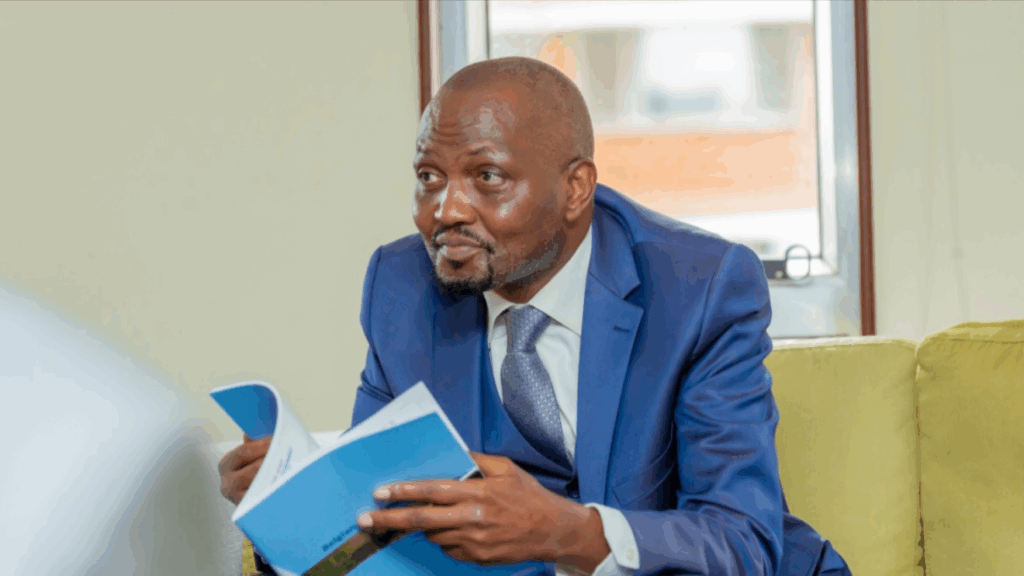
Moses Kuria, a former Cabinet Secretary, urged protection for national schools. He says they help build national unity by letting students from different backgrounds mix early.
On January 9, 2026, he shared these thoughts on his X account. Kuria recalled his time in the old 7-4-2-3 education system. It gave him little chance to meet Kenya’s ethnic groups while growing up.
He attended day schools in Gatundu for primary and secondary levels. Only at A-Levels did he start connecting with others.
“I went through the 7-4-2-3 system. My seven primary years and four secondary years were day schools in Gatundu,” Kuria wrote.
First real exposure to diversity came at Thika High School for A-Levels. And at university.
“I met a Luhya, Somali, Luo, Kisii, Kalenjin, and Giriama during my two A-Level years at Thika High. I saw a Turkana first at the University of Nairobi,” he added.
As Gatundu South MP, he added dorms to all public secondary schools there. This turned 38 county and extra-county schools fully into boarding ones.
No child should wait until university to meet kids from other tribes, he said. National schools build cohesion and understanding among youth.
His words follow Rigathi Gachagua’s recent attack on the national placement policy. It favors students from marginalized areas for top schools.
On January 4, 2026, at AIPCA Kiratina Church in Githunguri, Kiambu County, Gachagua spoke out. Kids from afar get spots in Mt Kenya national schools like Alliance and Mang’u. Local kids with top marks go to weaker schools.
“Other regions send kids to our schools. Our children land in low-rank places despite better grades. The system confuses parents,” Gachagua said.
He wants priority for Mt Kenya students in top regional schools. President William Ruto quickly criticized this ethnic angle.
On January 9, 2025, Ruto said, “How desperate can people get? Leave kids alone to learn. They are Kenyans, no matter their roots or tribe. They are our children.”