

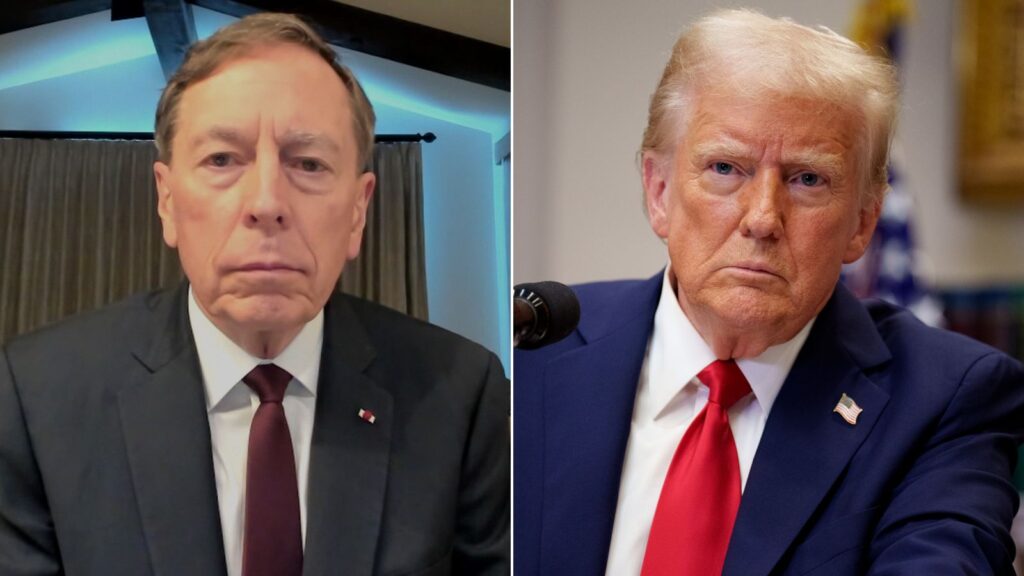
Former United States President Donald Trump remains perplexed as to why Iran has not “capitulated” under maximum pressure, according to his Middle East envoy, Steve Witkoff. The remarks have reignited speculation about the future of US-Iran relations should Trump return to the White House.
Speaking during a foreign policy forum in Washington DC over the weekend, Witkoff offered a rare glimpse into the mindset of the former president regarding the Islamic Republic. He revealed that Trump often questions why Tehran continues to resist diplomatic and economic overtures rather than bending to Washington’s will.
“He [Trump] looks at the situation and he asks, genuinely, ‘Why haven’t they capitulated? What are they waiting for?'” Witkoff told the assembled audience. “The president’s view is simple: he wants a deal. He wants peace. But he cannot understand why the Iranian leadership continues down a path that leads to isolation and economic ruin for their own people.”
The comments come at a time when US intelligence agencies and Western allies have expressed growing alarm over Iran’s advancing nuclear program. The International Atomic Energy Agency (IAEA) recently reported that Tehran continues to enrich uranium at levels that have no credible civilian use, bringing it closer than ever to weapons-grade capability.
The Nuclear Shadow
Western allies, including the UK, France, and Germany, have repeatedly voiced suspicions that Tehran is moving towards the development of a nuclear weapon. These nations have urged Iran to return to strict compliance with the 2015 Joint Comprehensive Plan of Action (JCPOA), the nuclear deal that Trump unilaterally withdrew from in 2018.
Iran, however, maintains a steadfast position: its nuclear program is entirely peaceful. Tehran insists it has no intention of building a bomb and accuses the West of hypocrisy, pointing to Israel’s undeclared nuclear arsenal as the real threat to regional stability.
“Why would we seek a weapon that only brings destruction to our doorstep?” an Iranian foreign ministry spokesperson asked in a press briefing on Monday. “We have been transparent. It is the United States and its allies who continue to weaponize the IAEA for political purposes.”
A Tale of Two Policies
Witkoff’s revelation underscores the stark contrast between a potential second Trump term and the current approach of the Biden administration. While President Joe Biden has attempted to revive diplomacy with Tehran—albeit unsuccessfully so far—Trump’s “maximum pressure” campaign relied on crippling sanctions and the threat of military action.
However, analysts note that “maximum pressure” did not achieve its stated goal of forcing a complete renegotiation of Iran’s nuclear program or its regional behavior. Instead, Iran expanded its nuclear activities and deepened its military partnership with Russia.
For the Biden team, Witkoff’s comments are likely to be viewed as proof that the Trump approach was flawed from the start. “You cannot pressure a nation of 85 million people into submission,” a State Department official, speaking on condition of anonymity, told reporters. “It only drives them further away from the negotiating table.”
What Comes Next?
With the US presidential election looming large on the horizon, the future of the nuclear file remains uncertain. A Trump victory could see a return to the confrontational approach of his first term, potentially leading to a major escalation in the Middle East. Conversely, a Biden re-election would likely see a continued (if frustrated) push for diplomacy.
For now, the Iranian leadership shows no signs of bending. Supreme Leader Ayatollah Ali Khamenei has long forbidden the development of nuclear weapons as un-Islamic, though Western intelligence agencies believe technical knowledge alone could allow Iran to assemble a device relatively quickly if the political decision were made.
As Witkoff put it: “The president wants an answer. And soon.” Whether that answer comes through renewed diplomacy, continued stalemate, or conflict remains one of the most watched questions in global geopolitics.


