

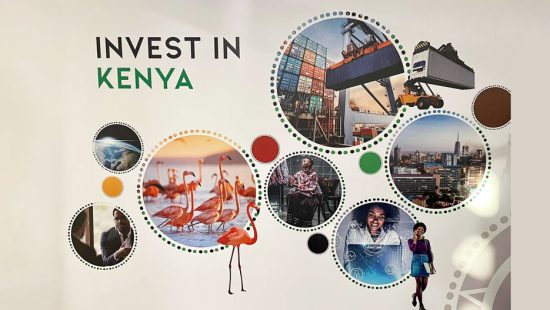
Kenya’s potential for rapid economic growth and attracting substantial investment depends on its ability to effectively coordinate, structure, and utilize capital.
This insight emerges from leading financial experts following the recent Kenya International Investment Conference (KIICO) 2026.
Abdi Mohamed, CEO of Absa Bank Kenya, emphasized the need to move away from fragmented financing and adopt integrated, ecosystem-driven models to address the infrastructure gap. He noted that Kenya is at a crucial juncture, with a clear ambition to accelerate industrialization, enhance inclusion, and build resilience in a complex global environment.
“The challenge we face is not the availability of capital, but how effectively we can mobilize and deploy it,” stated Mohamed. He underscored that the primary issue lies in the mechanisms through which public and private sectors mobilize funds.
Supporting this perspective, Chris Kiptoo, the Permanent Secretary for the National Treasury, highlighted the urgent need for fiscal reforms, pointing out that the government currently allocates 40 percent of its ordinary revenue to debt service. Kiptoo affirmed the government’s commitment to reversing this trend.
“We are implementing structural reforms across both revenue and expenditure to mobilize capital more effectively,” he said. This initiative is backed by President William Ruto’s recent signing of the National Infrastructure Bill, which aims to reduce reliance on public debt in favor of a sustainable, investment-led strategy.
Experts argue that this shift necessitates a move away from traditional commercial banking to meet the nation’s extensive development needs. While capital is available across government, development finance institutions, and the private sector, large-scale project funding suffers from inconsistent structuring and operational silos.
The discussions emphasized the importance of tapping into domestic capital sources, including pension funds and institutional investors, which offer sustainable opportunities for the country.
“By focusing on execution throughout the entire ecosystem, Kenya can transition from intent to large-scale delivery,” they asserted.
Participants agreed that the way forward requires clear policy frameworks, improved project preparation, and the establishment of transparent risk-sharing mechanisms to attract a diverse range of investors.
“When public-private partnerships are well structured, they align public priorities with private capital, ensuring successful project execution,” they noted.
If Kenya can successfully implement these strategies, the benefits will extend beyond infrastructure, enhancing overall economic competitiveness, deepening capital markets, and fostering truly inclusive growth.
Experts called for enhanced coordination among the government, financial institutions, and development partners to unlock the long-term capital flows vital for Kenya’s future.
The Kenya International Investment Conference (KIICO) 2026 convened 500 global investors, policymakers, and industry leaders, collectively representing trillions of dollars in capital.


