

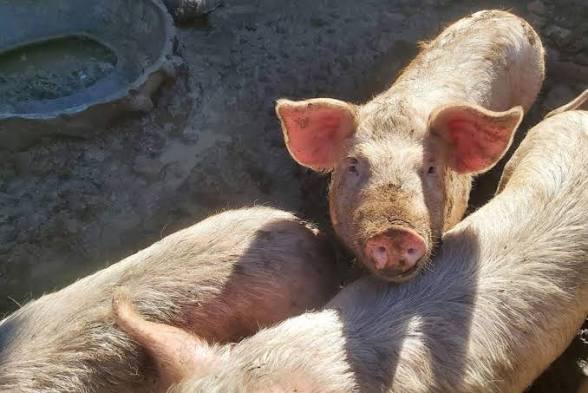
County Government of Kakamega has issued an important public alert regarding a suspected outbreak of African Swine Fever (ASF) in the Shinyalu and Ikolomani sub-counties, following alarming reports of widespread pig deaths. This situation has prompted officials to enhance disease surveillance and advocate for strict biosecurity measures.
In a statement released on Friday, July 10, 2026, the County Government, through the Ministry of Agriculture, Livestock, Fisheries, and Cooperatives, announced that veterinary officers are currently investigating these unexplained pig deaths, with laboratory tests underway to confirm the presence of the disease.
“The County Government of Kakamega, through the Department of Agriculture, Livestock, Fisheries, and Cooperatives, is notifying pig farmers, traders, transporters, pork consumers, and the general public about a suspected outbreak of African Swine Fever (ASF) in Shinyalu and Ikolomani Sub-Counties,” the statement highlights.
Routine disease surveillance has revealed that pigs of various ages and sexes are dying in significant numbers. Preliminary assessments by veterinary officers suggest that the disease may indeed be African Swine Fever, though final confirmation will rely on laboratory analysis.
Authorities have identified several clinical signs in the affected pigs, including high fevers ranging from 40 to 42 degrees Celsius, loss of appetite, lethargy, reddening of the skin, bluish discoloration of the ears, snout, and tail, hemorrhages, respiratory distress, diarrhea, abortions in pregnant sows, and sudden deaths.
African Swine Fever is a highly contagious viral disease that impacts domestic pigs and wild boars. The county has warned that this disease can lead to catastrophic losses in pig populations.
“African Swine Fever is a highly contagious viral disease affecting domestic pigs and wild boars, with mortality rates reaching up to 100 percent. Currently, there is no cure or effective vaccine for ASF,” the statement explains.
While the disease poses a significant threat to pig farming, county authorities want to reassure the public that it does not affect humans.
“ASF does not impact human health and does not pose a direct public health risk,” the statement clarifies.
However, officials caution that the disease spreads swiftly through the movement of infected pigs, pork products, and contaminated materials.
“It results in severe economic losses for pig farmers and can spread rapidly through the movement of infected pigs, contaminated feeds, equipment, vehicles, clothing, and footwear,” the county added.
To prevent further spread, farmers are encouraged to enhance biosecurity measures by securely housing pigs, limiting unnecessary movements between farms, markets, and slaughter facilities, and ensuring that feeds and water sources remain uncontaminated.
The county also advises consumers to buy pork exclusively from outlets where the meat has been inspected and approved by veterinary and public health authorities.
Farmers must report any sick pigs or unusual deaths to their nearest veterinary officer immediately, and they should refrain from slaughtering, transporting, selling, or consuming pigs that are sick or have died from unknown causes.
Authorities urge proper disposal of deceased pigs through burial, guided by veterinary officers, and encourage communities to cooperate with any disease control measures that may be enacted.
Kakamega County has already ramped up disease surveillance and farmer education initiatives in the affected areas while working to determine the exact cause of the pig deaths.
“Veterinary officers are actively collecting samples for laboratory testing to confirm the disease,” the statement notes.
The county also mentioned that additional disease control measures, including movement restrictions and quarantine protocols, may be necessary to prevent further spread.
Officials encourage all stakeholders in the pig value chain to stay alert and collaborate closely with veterinary authorities to protect their livelihoods and safeguard the county’s pig industry.


