
On
On Sunday, June 28, 2026, many observers of press freedom recognized a concerning moment for the media landscape. It wasn’t the sunrise that caught their attention, but rather the darkness that enveloped television screens in Uganda, where independent journalism typically shines the brightest.
A newsroom transcends mere cameras, microphones, and studio lights. It serves as a vital space where governments face scrutiny, opposition voices resonate, citizens share their narratives, and history unfolds in real time. When this space falls silent, democracy loses one of its most crucial advocates.
The recent events in Uganda have thrust press freedom back into the spotlight of public discussion. Daily Monitor shared on X that, “NTV Uganda and Spark TV were forced off air while Daily Monitor faced a shutdown as ordered by Gen Muhoozi.” NTV Uganda echoed this sentiment, reporting that, “The military laid siege to Daily Monitor and NTV after Gen Muhoozi ordered the shutdown.”
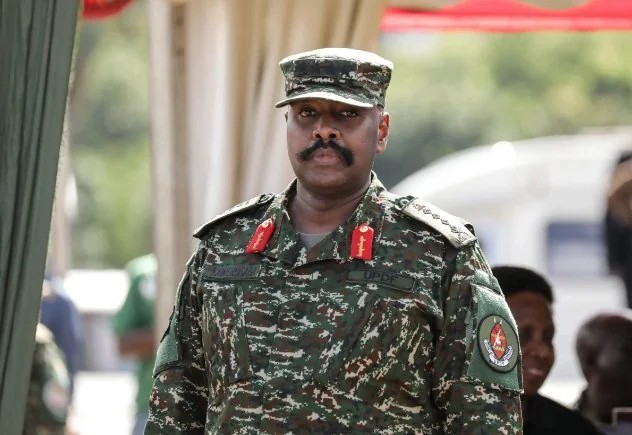
General Muhoozi Kainerugaba, the Chief of Defence Forces of the Uganda People’s Defence Forces (UPDF) and son of President Yoweri Museveni, made several public statements on X regarding these developments. He declared, “TV and Monitor are being shut down from today!” In another post, he stated, “Both NTV and Monitor will not reopen without my permission.” He also expressed, “In Uganda, I DO NOT believe in a free press! The press should be guided by cadres of the revolution.”
These statements are now part of the public discourse. As the situation evolves, it is essential to consider any responses from the Ugandan government, regulatory bodies, the impacted media outlets, or the judiciary.
The events unfolding in Uganda should raise concerns for every East African who cherishes constitutional governance. Whether in Uganda, Kenya, or beyond, disagreements between governments and the media are inevitable. This dynamic is neither new nor unusual. Journalism poses tough questions, while governments defend their policies. This tension is a cornerstone of democracy.
Kenya has faced similar challenges, where political leaders and media organizations have experienced strained relations. The Standard Media Group has openly clashed with President William Ruto’s administration over news coverage, while Nation Media Group’s Ugandan subsidiaries find themselves embroiled in a significant confrontation.
History teaches us that societies thrive when they confront corruption, abuse of power, injustice, poverty, and impunity through open institutions, including a free press. Journalism’s role is not to create enemies or allies but to gather facts, verify information, provide context, and empower citizens to make informed choices.
Professional journalism exists not to glorify governments nor to undermine them. Its primary commitment lies with the truth and public interest. Like any institution, media organizations are not immune to criticism. When they err, they should be corrected, and inaccuracies should be addressed through lawful and transparent processes.
However, dissent against editorial decisions should never overshadow the importance of engaging with facts. Democracy strengthens when journalists pose challenging questions, offering those in authority the chance to respond publicly.
While governments may silence broadcasts by turning off cameras, they cannot extinguish public curiosity or erase history. They only leave future generations with fewer witnesses to narrate their story.
This commentary reflects the information available at the time of writing. As official responses and verified facts emerge, our understanding of these events will continue to evolve.