

A
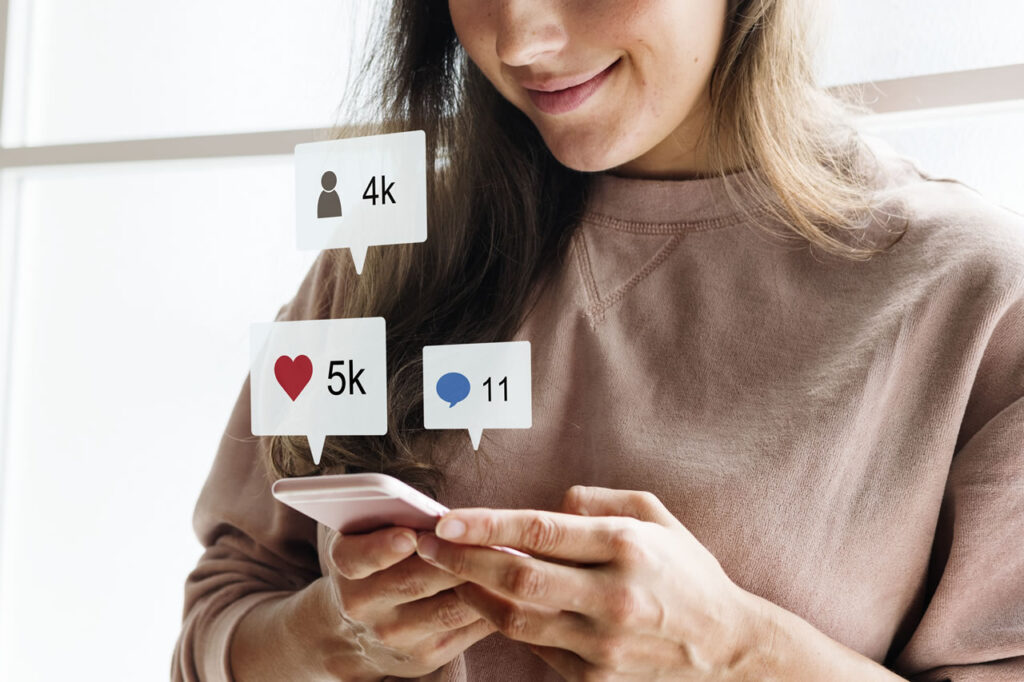
A breaking story pops up on your social media feed—a screenshot, a video, or a sensational headline. Before sharing, you instinctively check the source for familiar logos, known broadcasters, or recognized bylines. You ask yourself, “Who is saying this?” This moment of pause is crucial; it represents your judgment. In Kenya’s fast-changing media landscape, this behavior is vital for every news consumer. Social media has revolutionized news consumption, but the core question remains: Can I trust this?
Platforms Change, But Trust Stays the Same
The data is clear. According to the Media Council of Kenya’s State of the Media 2025 Survey, social media has become the main news source for 39% of Kenyans, surpassing television at 31%, radio at 21%, and newspapers at just 13%—down from 29% in 2022. This shift from traditional to digital is now a reality.
However, the survey also reveals a twist: when asked which media outlet they trust the most, most Kenyans still cite traditional broadcasters. The most popular news websites thrive on brand recognition built through conventional media.
Kenyans may have shifted their news sources, but their trust remains rooted in established outlets. Social media may be the first stop, but credibility is still linked to traditional media.
Skepticism Is the New Norm
This behavior isn’t passive; it’s a rational response to unreliable information. Anyone can post news online, posing as a credible source. As a result, audiences have developed a self-regulation instinct, seeking reliable sources and scrutinizing the information before sharing.
The 2025 survey highlights this vigilance: 28% of Kenyans cite false information as their biggest media concern, tied with inadequate coverage of essential issues. These are not passive consumers; they actively question the trustworthiness of the information in this age of information overload.
For communicators, this presents both a challenge and an opportunity. Audiences are not just interested in who publishes first; they care about who publishes accurately.
AI Complicates Credibility Verification
The verification instinct faces a sophisticated threat from AI-generated content. The survey shows that while 59% of Kenyans know AI is used in media, 63% struggle to identify AI-generated material. Historically, audiences judged credibility through recognizable voices, identities, or tones. Now, AI can mimic these without accountability.
With nearly half of Kenya online and 91% accessing digital media via mobile, fabricated content can spread rapidly. In this climate, a communicator’s established reputation for accuracy becomes the only reliable filter for many audiences.
Trust Is Recovering, But Must Be Earned Anew
Contrary to popular belief, trust in media is on the rise. Up to 79% of Kenyans now express trust in media, up from 74.5%. The perception of unfair media coverage of government has decreased significantly, indicating a credibility recovery. Awareness of misinformation is prompting audiences to be more discerning about their trusted sources.
What drives this recovery? Content relevance leads at 45%, followed by timeliness at 33%, and credibility at 29%. Digital audiences expect these values just as much as traditional journalism.
The message is clear: credibility can’t be inherited; it must be earned on the platforms where audiences engage daily. This means sourcing accurately, correcting mistakes publicly, and prioritizing accuracy over engagement in every headline.
Credibility Is Your Competitive Edge
Kenya’s social media audience is skeptical and fast-paced, actively searching for trustworthy sources in a sea of unverifiable content. The communicators who will earn lasting trust aren’t necessarily those with the largest following; they are those who prioritize accuracy over speed, transparency over opacity, and consistency over sensationalism.
Today, audiences evaluate communicators not just by what they publish but by how they manage errors and uphold standards under pressure. While attention may be gained through trends, trust is built on accuracy, integrity, and the discipline to maintain both even when it’s challenging. In Kenya’s social media landscape, credibility is more than a soft value; it’s a crucial asset that takes years to build and seconds to lose.


