
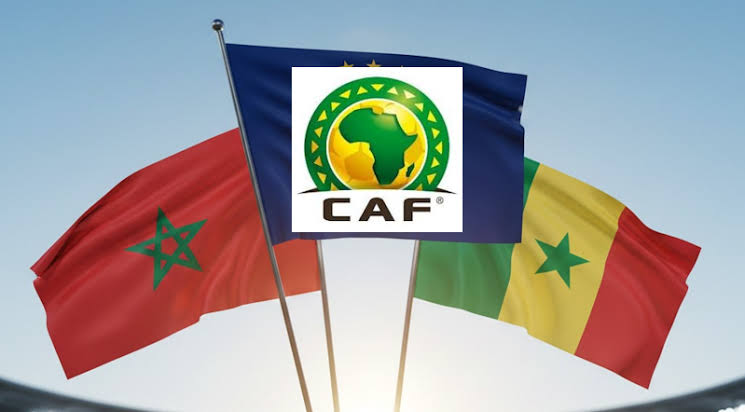
The recent tension between Morocco and Senegal after the Africa Cup of Nations (Afcon) final raises concerns about the future of African solidarity at the upcoming FIFA World Cup.
For years, African nations have united to support their teams on the global stage, often putting aside rivalries for continental pride. However, the ongoing dispute between these two football powerhouses threatens that unity.
The Afcon final, featuring Morocco and Senegal, was overshadowed by controversy both on and off the pitch. Disputed refereeing decisions and heated exchanges have created lasting resentment.
Senegal won 1-0, but their mid-game walkout over a disputed penalty was later deemed a boycott, resulting in a 3-0 win for Morocco. While Senegalese fans felt their team was treated unfairly, Moroccan supporters celebrated what they viewed as a deserved victory. Senegal has since appealed.
This conflict has spilled into diplomatic and sporting arenas, with football federations exchanging criticisms and fans clashing online. What should have been a celebration of African football has turned into a divisive issue.
This dispute is significant because Morocco and Senegal are not just ordinary competitors; they are powerhouses. Morocco’s historic semi-final run at the 2022 World Cup inspired millions, while Senegal consistently showcases a strong team with stars excelling in Europe. Both nations represent Africa’s growing competitiveness, and their performances reflect the continent’s footballing progress.
Traditionally, African fans have embraced a “one team, one continent” mentality at the World Cup. From Cameroon’s heroics in 1990 to Ghana’s near miss in 2010 and Morocco’s historic run in 2022, Africans have celebrated as if those victories were their own.
That shared pride is a hallmark of African football culture. However, the Morocco-Senegal dispute risks undermining this spirit. If fans prioritize lingering resentment over continental solidarity, Africa’s representation at the World Cup could feel fractured.
The implications extend beyond fan culture. Sponsors, broadcasters, and football administrators depend on a united African audience to enhance the continent’s visibility at global tournaments. A split in support could weaken that impact, making it challenging to present Africa as a cohesive footballing force. Additionally, young fans who admire stars from both nations may find themselves caught in a rivalry that feels more political than sporting.
For Kenyans, the question of allegiance is particularly intriguing. Kenya has long admired Senegal’s flair, especially popular players like Sadio Mané. Meanwhile, Morocco’s World Cup achievements have garnered respect across the continent, including in Nairobi.
If forced to choose, Kenyans may lean toward Senegal, appreciating their style of play and cultural connection. Yet many hope for a resolution to the dispute, allowing Africa to unite behind whichever team represents the continent at the World Cup.