

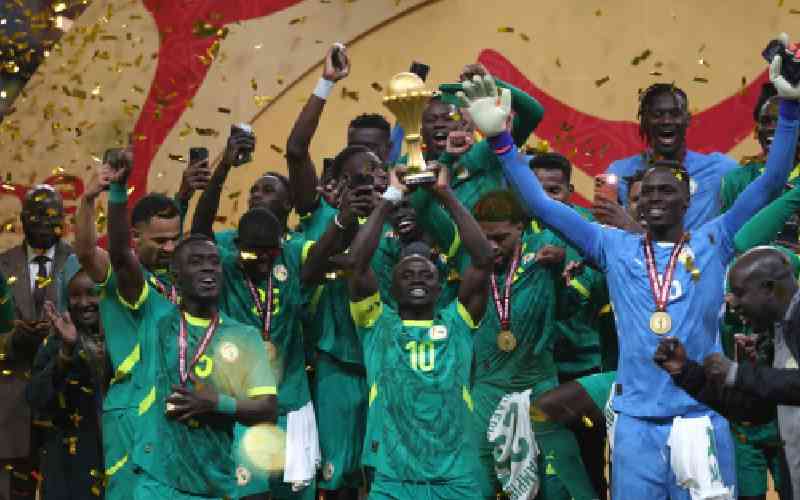
The Confederation of African Football’s decision to strip Senegal of the 2025 Africa Cup of Nations title has sparked fierce debate across the continent, raising questions about procedural justice and the integrity of the competition.
The Confederation of African Football (Caf) has stripped Senegal of the 2025 Africa Cup of Nations (Afcon) title following a ruling that has been described as legally sound but potentially damaging to the organization’s credibility. The decision, announced by Caf’s disciplinary and appeals committees, has sent shockwaves through African football, igniting intense debate among fans, players, and administrators across the continent.
On January 18, Senegal had won 1-0 in extra time against Morocco in Rabat, a hard-fought victory that had been celebrated as the culmination of a dominant tournament campaign. The Teranga Lions had appeared invincible throughout the competition, and the final victory over the host nation was seen as a crowning achievement for a golden generation of Senegalese football. That triumph, however, has now been overturned by Caf’s ruling, which found that Senegal had fielded an ineligible player during the tournament.
The ruling, delivered after months of investigation and legal proceedings, concluded that Senegal had violated tournament regulations regarding player eligibility. The specific nature of the infraction has not been fully detailed in public statements, but Caf officials have emphasized that the decision was reached following a thorough review of evidence and in strict accordance with the organization’s rules and statutes.
From a purely legal standpoint, the ruling is defensible. Caf’s disciplinary processes, while often criticized for inconsistency, provide clear frameworks for addressing eligibility violations. Precedents exist in football governance worldwide—including in major tournaments—where teams have been sanctioned or stripped of titles for fielding ineligible players. The principle that all teams must compete under the same rules is fundamental to the integrity of any sporting competition.
Yet the decision has left a bitter taste for many observers, who argue that the timing, process, and broader implications of the ruling threaten to undermine Caf’s reputation at a critical moment for African football. Critics point to the length of time between the tournament’s conclusion and the ruling, as well as questions about whether the same scrutiny would have been applied to a less high-profile finalist.
The fact that Morocco, the host nation and runner-up, stands to be declared champions as a result of the ruling has also fueled accusations that the decision carries political undertones. Moroccan football authorities have maintained a diplomatic silence since the announcement, but speculation about behind-the-scenes lobbying has been rampant in football circles across the continent.
For Senegal, the ruling is a devastating blow. The team that had captured the imagination of the continent—defending champions who had successfully retained their title in dramatic fashion—now finds its legacy tarnished by controversy. Senegalese football officials have indicated that they will appeal the decision, with President Macky Sall reportedly weighing in to express the nation’s disappointment and determination to fight the ruling.
“This is not justice. Our players earned that title on the pitch, through sweat and sacrifice. To take it away months later, through a legal process that was neither transparent nor timely, is an injustice that will be remembered for generations,” a spokesperson for the Senegalese Football Federation said.
The ruling places Caf in an unenviable position. On one hand, the organization must uphold its own rules and demonstrate that it is willing to enforce them without fear or favor. Allowing a known eligibility violation to stand would have set a dangerous precedent and invited accusations of selective enforcement. On the other hand, the decision to strip a title months after it was won—particularly in such high-profile circumstances—creates a perception of instability and unpredictability that could damage the brand of Africa’s premier sporting event.
Football analysts across the continent have expressed concern about what the ruling signals for the future of Afcon. Some argue that Caf’s disciplinary processes need urgent reform to ensure that eligibility disputes are resolved swiftly and transparently, before trophies are handed out and celebrations begin. Others suggest that the organization should have considered alternative sanctions, such as fines or future tournament bans, that would have addressed the violation without nullifying the results of matches already played.
The reputational risk for Caf is significant. The organization has spent the past decade working to modernize African football, attract new sponsors, and elevate the profile of the Africa Cup of Nations. The 2025 tournament, co-hosted by Morocco, had been widely regarded as a success, with record attendance, strong television ratings, and a compelling narrative that showcased the depth and quality of African football. The post-tournament controversy now threatens to overshadow those achievements.
Fans across the continent have taken to social media to express divided opinions. Senegalese supporters have rallied behind their team, with hashtags condemning the ruling trending in Dakar and beyond. Moroccan fans, while celebrating the prospect of being declared champions, have expressed unease about winning a title through a legal decision rather than on the field. Neutral observers have voiced frustration with Caf’s handling of the matter, calling for greater transparency and consistency in future decisions.
As Senegal prepares its appeal and Caf braces for the fallout, the broader question facing African football is whether the organization can emerge from this controversy with its credibility intact. The ruling may be lawful, but in the court of public opinion—where football ultimately lives—the damage may already be done.
For the players who competed in that January final, the outcome offers no satisfaction. The Senegalese squad that celebrated in Rabat now faces the prospect of having that moment erased from the record books. The Moroccan team, which accepted defeat with grace on the night, finds itself in the uncomfortable position of being declared champions by decree. And Caf, the guardian of African football, stands accused of winning a legal battle while losing the trust of the fans who make the sport matter.
The coming weeks and months will determine whether this ruling becomes a turning point for African football governance or a cautionary tale about the limits of legalism in a sport built on passion, pride, and the beauty of competition decided on the field of play.


