

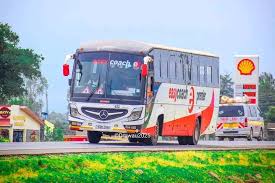
What began as a modest fleet of just seven buses in 2003 has grown into one of East Africa’s most recognizable transport brands, and now Easy Coach is setting its sights on the future—one powered by electricity.
The Kenyan transport giant, which has carried millions of passengers across the region over two decades, is positioning itself at the forefront of the coming revolution in electric mobility. As the world gradually shifts away from fossil fuels, Easy Coach leadership recognizes that adaptation is not merely an option but a necessity for survival and growth.
However, the journey toward electrification is fraught with challenges that keep management awake at night. Company representative Dossa candidly shared the weight of responsibility that comes with steering a legacy enterprise into uncharted territory. “Every unexpected phone call during the night does bring about a surge of anxiety,” he admitted, reflecting the pressures of maintaining an aging fleet while simultaneously investing in tomorrow’s technology.
The transport sector in Kenya stands at a crossroads. With fuel prices volatile and environmental regulations tightening, the case for electric buses grows stronger by the day. Yet significant hurdles remain—charging infrastructure is limited, acquisition costs are high, and range anxiety remains a genuine concern for long-distance travel that forms the backbone of Easy Coach’s business model.
Despite these uncertainties, Easy Coach is actively exploring partnerships and pilot programmes that could see electric buses join their fleet in the coming years. The company that disrupted Kenyan transport with reliable, comfortable services two decades ago now hopes to once again lead the way into a cleaner, more sustainable future.
For passengers who have trusted Easy Coach on countless journeys, the prospect of silent, emission-free travel may soon become reality—provided the night-time phone calls bring solutions rather than crises. can you re write this


