

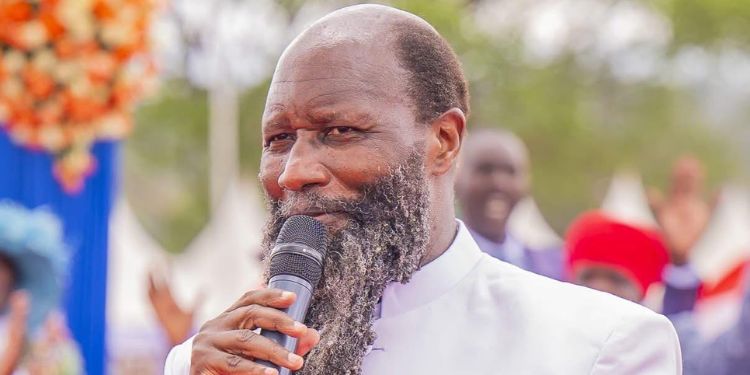
A fierce public debate has erupted following sensational claims of miraculous healing by controversial preacher Dr. David Owuor, prompting a stern warning from medical regulators and exposing a potential regulatory vacuum within Kenya’s religious sector.
Prophet Owuor, who commands a fanatical following, is under fire after a crusade in Nakuru where he asserted he had cured severe medical conditions including HIV/AIDS, cancer, blindness, and physical disabilities. Videos from the event showed individuals discarding mobility aids, and the preacher claimed to have 30 people healed from HIV. He further paraded individuals said to be medical professionals to support his assertions.
The claims have drawn swift condemnation from the Kenya Medical Practitioners and Dentists Council (KMPDC). In a strongly-worded statement, the council described the claims as “unverified and potentially dangerous,” warning that they could mislead vulnerable individuals into abandoning life-saving treatments.
“Claims of healing for chronic or life-threatening conditions… require verifiable medical documentation and cannot be accepted without independent verification by qualified healthcare professionals,” the KMPDC stated. The council emphasized that evidence-based medicine is paramount and warned of risks including worsened health, drug resistance, or even death if proven treatments are discontinued.
Church Body Weighs In, Calls for Regulation
The National Council of Churches of Kenya (NCCK) has also responded to the growing controversy. While affirming a belief in divine healing, the council stressed the importance of medical science.
“We believe in faith healing… but nobody should deprive people of going to the known medical solutions for their health,” an NCCK representative stated.
Reverend Elias Otieno, Chair of the NCCK, highlighted that the controversy has exposed a regulatory imbalance in Kenya’s religious landscape. He noted that while established denominations operate under umbrella bodies with oversight, many independent churches function without institutional accountability.
“We know that there are some churches that have formed and are not under any regulatory body… it is a one-man church,” Rev. Otieno said, arguing this has allowed room for “religious distortion.” The NCCK is now advocating for a consultative framework to regulate religious institutions, a move they insist is not meant to stop preaching but to ensure order and accountability.
Kenyans Mock Failed “Prophetic” Declaration
Adding to the preacher’s current woes, Kenyans on social media have widely mocked Prophet Owuor over a recent video where he was seen praying for Venezuelan President Nicolas Maduro, declaring “victory” for him. This declaration came just before President Maduro, facing a contentious election, was reportedly captured in a controversial online simulation game—a fact that circulated online. Netizens have used the incident to sarcastically question the accuracy of his other declarations.
Investigation Underway
The KMPDC confirmed it is collaborating with the Ministry of Health to investigate the healing claims made at the Nakuru crusade. The council warned that any medical practitioner found to have substantiated the unverified claims would face legal and professional consequences, including possible deregistration.
Health Cabinet Secretary Susan Nakhumicha had earlier called on medical professionals involved to substantiate the claims or face action, though formal investigations are yet to commence.
Public Advisory
The KMPDC has urged the public not to discontinue prescribed medication for conditions like HIV, diabetes, or hypertension without express authorization from their doctors. Citizens are advised to report any suspicious medical claims to authorities for verification.
As the investigation unfolds, the controversy sits at the intersection of faith, medicine, and governance, raising critical questions about belief, evidence, and the limits of religious expression in modern society.


