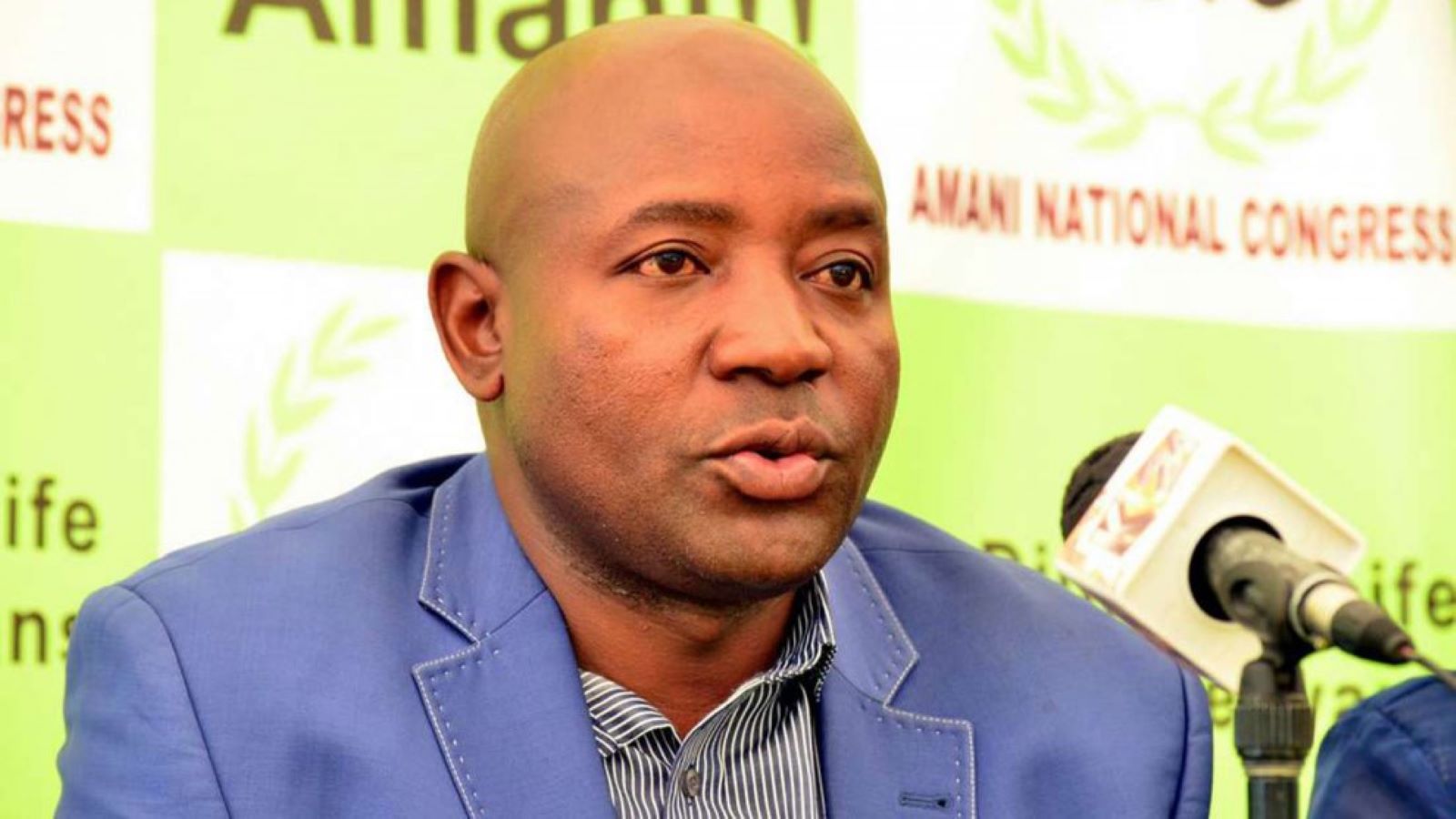


A diplomatic storm is brewing in Eastern Africa this weekend as the Republic of Sudan has officially condemned the government of Uganda for hosting Mohamed Hamdan Dagalo, better known as Hemedti, the commander of the paramilitary Rapid Support Forces (RSF).
The move has been interpreted by political analysts as a significant escalation in the ongoing conflict in Sudan, pitting the Sudanese Armed Forces (SAF) against the RSF.
According to reports from Khartoum, the Sudanese Ministry of Foreign Affairs summoned Uganda’s charge d’affaires to deliver a strongly worded protest following Hemedti’s high-profile visit to Entebbe. The Sudanese government claims that Uganda’s decision to receive the paramilitary leader constitutes an “unfriendly act” and provides a platform for a man they have labelled the leader of a rebel group.
“Hosting the leader of a militia that has committed atrocities against the Sudanese people is a violation of international law and the principles of good neighbourliness,” read a statement from the Sudanese Foreign Ministry. “The Ugandan government must immediately cease providing a safe haven for those who bear weapons against the state of Sudan.”
Hemedti’s Tour
Hemedti’s visit to Uganda is part of a rare regional tour that has also seen him travel to Ethiopia and South Africa. It marks his first known international trips since the brutal conflict with the Sudanese army erupted in April 2023.
While in Entebbe, Hemedti was received by Ugandan security officials, though he did not hold official talks with President Yoweri Museveni. Analysts suggest the trip is aimed at rebranding the RSF’s image and seeking regional legitimacy, attempting to shift the narrative from that of a rebel faction to a viable political entity.
Uganda’s Delicate Position
Kampala has not yet issued an official response to Khartoum’s protest. However, Uganda has historically played the role of a mediator in regional conflicts, including hosting peace talks for South Sudan. Some Ugandan foreign policy experts speculate that the meeting could be part of quiet, backchannel efforts to find a resolution to the 15-month-old war that has displaced millions.
Nevertheless, the timing of the visit is controversial. The RSF has been accused by the United States and other international bodies of committing genocide and widespread atrocities in the Darfur region. Hosting its leader puts Uganda in a delicate diplomatic position, potentially straining its relations not only with the Sudanese army but also with key Western allies.
Regional Implications
For observers in the Great Lakes and Horn of Africa region, this spat highlights the fractured nature of the conflict in Sudan. It pits the UAE-backed RSF against the Egyptian-backed SAF, with neighbouring countries forced to choose sides or navigate a precarious neutrality.
As the war grinds on with no end in sight, Hemedti’s ability to travel freely signals that the RSF is attempting to break its diplomatic isolation. Whether Uganda’s gamble pays off—either as a mediator or as a potential supporter of a new faction in Khartoum—remains to be seen.
The Sudanese government has vowed to take the matter to the African Union and the United Nations, demanding that Uganda expel the paramilitary leader immediately.